
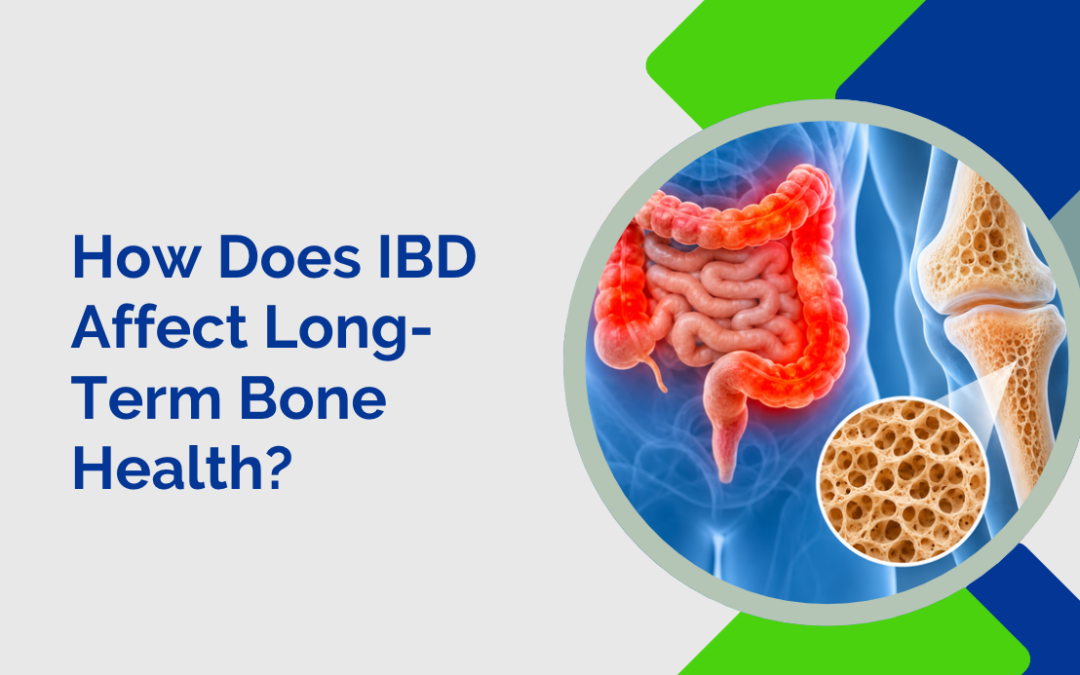
Bone is a form of living tissue. It’s broken down and rebuilt all the time, and inflammatory bowel disease upsets that cycle in several ways at once. Years of gut inflammation, calcium and vitamin D deficiencies, and several of the medications needed to bring flares to a halt push in the direction of bone loss in both Crohn’s disease and ulcerative colitis. This can lead to thinner bones, osteoporosis and fractures, typically without symptoms until something breaks. It’s easy to miss. It is also, however, one of the more preventable long term illnesses.
According to Dr. Ksheetij Kothari, a Gastroenterologist in Pune, “Bone loss is the complication patients are least likely to ask about, because nothing hurts until a bone breaks. If someone has had Crohn’s or colitis for years, or has taken steroids for more than a few months, a bone density scan should already be on the list.”
What Causes IBD Bone Density Loss?
Several factors contribute to bone loss in IBD, and their impact varies from patient to patient.
Inflammation itself: Inflammatory chemicals like TNF alpha and IL-6 accelerate those cells that break bone down and also de-accelerate the cells that construct it. Bone loss can occur in a person who recently has been diagnosed and hasn’t begun treatment yet.
Poor absorption of bone nutrients: An inflamed or surgically shortened small bowel takes up less calcium, vitamin D and vitamin K. Poor appetite and little sun push vitamin D lower still.
Steroids: They quickly calm a flare, but short or repeated use is damaging to bone. The longer and higher the dosage, the higher the risk, and a dosage of three months or more is where doctors begin to get concerned.
Low weight and low activity: Weight loss, fatigue and joint pain all cut down on weight-bearing exercise, and bone needs load to stay strong. It is worse when combined with smoking and excessive drinking.
Keeping the disease itself under control does the most for the bones. The way to do this is discussed in Crohn’s disease treatment.
Which Patients Are at Greatest Risk?
Between 30-60% of individuals with IBD experience low bone density. It’s rare that you’ll find that in a regular IBD review. Thinner bone results in an increased risk of fractures, primarily in spine, hip and wrist.
Crohn’s disease: Higher risk of bone loss than ulcerative colitis, particularly with ileal involvement or surgery performed in the small bowel. There is often a low density at the time of diagnosis.
Young age of onset: Most bone mass is achieved in the teens and twenties; IBD that begins at this time can reduce the potential lifelong.
Low Body Weight or Malnutrition: The body is underweight or lacks protein and calories to build bone.
Menopause and older age: The normal age-related bone loss is compounded by the disease.
The long-term impacts of chronic intestinal inflammation are discussed in our article on chronic intestinal inflammation.
How Can Bones Be Checked and Protected?
The standard check is DEXA scan. Usually takes a few minutes, requires little radiation and provides a score indicating bone strength.
People who should be scanned: If they have taken steroids for 3 months or longer, had a small bowel operation in the past, a Crohn’s disease diagnosis or low weight due to menopause. Repeat scans periodically, more frequently if the initial scan is low.
Calcium and vitamin D: Roughly 1,000 to 1,200 mg of calcium a day is advised, from food and supplements together. Vitamin D is topped up according to a blood test.
Exercise and habits: Walking, climbing stairs and resistance training are helpful; quitting smoking and reducing alcohol consumption are also beneficial.
Protection against repeated steroid courses: Treatments that control inflammation without steroids help reduce steroid exposure. Medicines that strengthen bones, called bisphosphonates, may be included if there is already a lot of bone loss.
The gut inflammation control is more effective on bone health than any supplement. Our article on ulcerative colitis treatment explains the long-term management of colitis.
Has your IBD care ever included a bone density scan?
FAQs
Does inflammatory bowel disease cause loss of bone strength?
Yes. Inflammation, poor absorption and steroid use all play a part.
Who should have a bone density scan?
Typically, individuals who suffer from Crohn’s, long-term steroid use, low weight, or previous fractures.
Do steroids always cause bone loss in IBD?
Not always. Risk rises with higher doses and courses over three months.
Is it possible to recover bone loss in the case of IBD?
Often. Calcium, vitamin D, exercise and well controlled inflammation all help.
References:
- PMC (NIH): The Importance of Vitamin D in the Pathology of Bone Metabolism in Inflammatory Bowel Diseases: https://pmc.ncbi.nlm.nih.gov/articles/PMC4624748
- PMC (NIH): Bone Metabolism and the c.-223C > T Polymorphism in the 5′UTR Region of the Osteoprotegerin Gene in Patients with Inflammatory Bowel Disease: https://www.ncbi.nlm.nih.gov/pmc/articles/PMC5097783/
Disclaimer
This blog is for educational and informational purposes only and is not a substitute for professional medical advice, diagnosis, or treatment.