

Ever grabbed a slice of cheese, enjoyed every bit of it… and then suddenly found yourself sprinting to the washroom? If that sounds familiar, you’re definitely not the only one. Diarrhea after eating cheese happens way more often than people admit, and honestly, it can feel pretty frustrating—especially when you’re clueless about what’s setting it off.
Your body is basically trying to tell you something. Sometimes that “something” is simple, but at times, it points toward a deeper gut issue. As Dr. Ksheetij Kothari, a leading Gastroenterologist in Pune, often tells his patients, digestive symptoms are like tiny hints your body keeps dropping. Ignoring them only makes the puzzle harder to solve later.
Dr. Kothari—known widely as one of the best gastroenterologists in Pune—has helped countless people understand tricky issues like lactose intolerance, chronic digestive trouble, and recurring dairy-related symptoms. In this guide, we’ll walk through exactly why this happens and what you can do to take back control of your gut.
Why do I get diarrhea right after eating cheese?

Have you ever wondered why some people can eat a full cheese platter without a problem while you get hit with cramps minutes later?
👉 Quick truth:
Your gut is struggling to break down something inside the cheese—most commonly lactose or milk proteins. When your digestive system can’t process these properly, it reacts… fast. Cue: watery stools, bloating, cramps, and urgent bathroom trips.
And here’s the twist—not all cheese reactions are about lactose. Some people simply have a sensitive gut or IBS, and cheese (especially rich, creamy types) can overstimulate the digestive tract.
What are the Causes of diarrhea right after eating cheese?
Let’s break it down. People experience diarrhea right after eating cheese for different reasons—some obvious, some not-so-obvious.
1. Primary Lactose Intolerance
As we grow older, the body naturally produces less lactase—the enzyme that digests lactose.
Low lactase = lactose stays undigested = water gets pulled into the intestines = diarrhea, bloating, gas, cramps.
2. Secondary Lactose Intolerance
Sometimes lactose intolerance isn’t permanent. It can show up after:
● An infection
● Gut inflammation
● Antibiotics
● Celiac disease
Once the underlying issue heals, lactose tolerance may return.
3. High-Fat Cheese Overstimulating the Gut
Some cheeses are rich, creamy, and loaded with fat.
Fat speeds up gut movement → food rushes through → loose stools.
If your gut is sensitive, even a small amount can trigger a reaction.
4. Additives in Processed Cheese
Processed cheese (think slices, spreads, nacho cheese) often contains emulsifiers and preservatives. Your gut might not be a fan of these, leading to irritation and diarrhea.
5. Sensitivity to Milk Proteins
Here, the problem isn’t lactose at all. It’s casein or whey.
This sensitivity can cause stomach discomfort or delayed diarrhea.
6. Histamine Intolerance
Aged cheeses—parmesan, cheddar, Swiss, blue cheese—are high in histamine.
If your body can’t break down histamine well, you might experience:
● Diarrhea
● Headaches
● Flushing
● Runny nose
7. IBS Reactivity
People with IBS often react to dairy—even if it’s lactose-free—because the gut is extremely sensitive.
8. Contamination in Soft Cheeses
Soft cheeses like paneer, ricotta, and feta can spoil quickly. If they’re even slightly contaminated, diarrhea and abdominal cramps can strike suddenly.
Symptoms of Lactose Intolerance
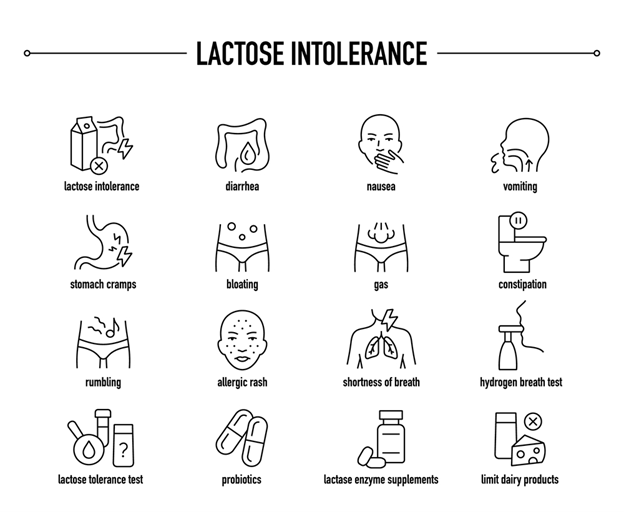
Wondering if your body is waving the lactose intolerance flag?
You may notice symptoms 30 minutes to 2 hours after eating cheese or dairy:
- Loose stools or diarrhea
- Bloating
- Gas
- Cramps
- Stomach gurgling
- Nausea
- Urgency to use the restroom
If this happens often after dairy, lactose intolerance becomes a strong possibility.
How long does dairy diarrhea last?
It varies depending on your gut and the trigger.
Typically:
● Mild symptoms: 6–12 hours
● Moderate symptoms: up to 24 hours
● Severe reactions (IBS/inflammation): 1–3 days
Hydration is essential. If diarrhea continues for more than 48–72 hours, get medical advice.
Conclusion
Dealing with diarrhea after eating cheese can be annoying, especially if cheese happens to be your comfort food. The good news? Most causes—whether it’s lactose intolerance, milk protein sensitivity, or a reaction to rich, fatty foods—can be managed once you understand what’s going on.
Dr. Ksheetij Kothari, one of the Best gastroenterologists in Pune, regularly helps patients identify and manage dairy-related digestive problems. With the right diagnosis and a personalized plan, you can enjoy your meals again without worrying about emergency bathroom visits.