
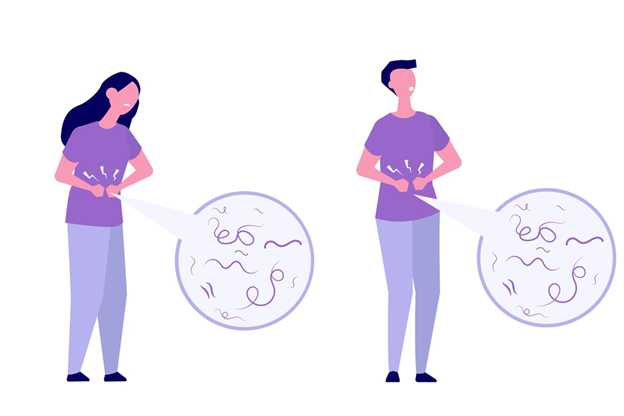
Intestinal worms are a common health issue that affects children because it makes them unable to digest food and causes them pain. These infections with roundworms and tapeworms and hookworms cause various health issues which start with abdominal pain and diarrhea and end with nutritional deficiencies.
Intestinal worms do not produce instant symptoms but they create major growth and development problems for children. Dr. Ksheetij Kothari, who works as a Gastroenterologist in Pune, explains that children with intestinal worms show symptoms which include weight loss without explanation and decreased appetite, resulting in negative effects on their health.
In this blog we will examine the factors that lead to intestinal worms in children, their symptoms, different types of intestinal worms, and the most effective ways to treat this common health issue. Dr. Ksheetij Kothari, who works as one of the Best Gastroenterologists in Pune, focuses on expert services for diagnosing and treating intestinal worm infestations in children. His years of experience enable him to provide children with necessary medical care at the right time.
How Do You Know if Your Child Has Worms?
It can be tricky to identify if your child has intestinal worms, as many of the symptoms are subtle or overlooked. However, there are several signs that may indicate a worm infestation.
Key Symptoms Include:
- Abdominal pain or cramping: Frequent stomach aches, especially after eating.
- Diarrhea or constipation: Digestive disturbances that don’t seem to resolve.
- Itchy bottom: This is common with certain types of worms, such as pinworms.
- Weight loss or poor appetite: Despite eating well, your child may not gain weight or might lose weight.
- Fatigue or weakness: Worm infestations can cause your child to feel tired and lethargic.
If you notice any of these symptoms, it’s important to consult with a pediatric gastroenterologist for accurate diagnosis and treatment.
Types of Intestinal Worms in Children
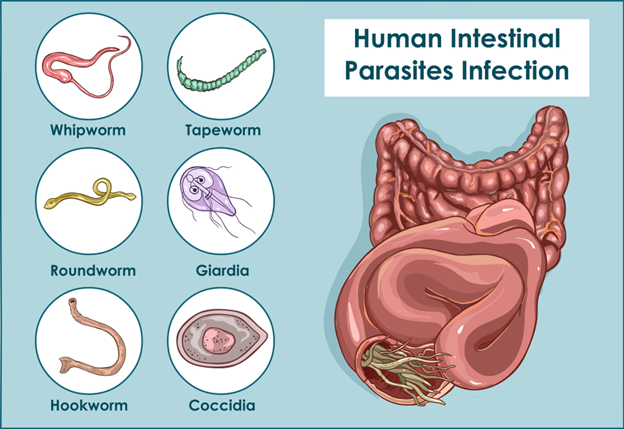
There are several types of intestinal worms that can affect children, and each has distinct symptoms and treatment methods.
1. Roundworms (Ascaris Lumbricoides)
Roundworms are one of the most common types of worms found in children. These worms live in the small intestine and can grow up to 12 inches long. They can cause abdominal pain, coughing, and difficulty breathing if they migrate into the lungs.
2. Pinworms (Enterobius Vermicularis)
Pinworms are small, white worms that often cause itching around the anus, especially at night. They are highly contagious and common in children, especially in those attending daycare or school.
3. Hookworms (Ancylostoma Duodenale)
Hookworms attach to the lining of the small intestine and can cause anemia due to blood loss. They are typically contracted from contaminated soil or water.
4. Tapeworms (Taenia Spp.)
Tapeworms can be contracted from eating undercooked meat, such as pork or beef. They can cause abdominal discomfort, nausea, and unexplained weight loss.
To confirm the type of worm, it’s best to consult with a trusted gastroenterologist for proper testing.
What Are the Causes of Intestinal Worms in Children?
Children develop intestinal worms when they come into contact with food or water or soil that has been contaminated. The most common causes include the following three factors:
- Poor hygiene : when children fail to wash their hands after outdoor play and bathroom use.
- contaminated food and water : Through the consumption of raw or undercooked meat and the drinking of unclean water.
- Worms, especially pinworms, spread quickly between children because they spend time with infected children throughout the day.
- Barefoot walking enables hookworms to enter the body when people walk on soil that has become contaminated.
Ensure proper hygiene practices to reduce the risk of your child getting intestinal worms.
What Are the Treatments for Intestinal Worms?
The treatment for intestinal worms varies depending on the type of worm your child has. Here are common treatment methods:
1. Anthelmintic Medications
These are medications that kill or expel worms from the body. Common medications include:
- Mebendazole
- Albendazole
- Pyrantel Pamoate These medications are usually available as oral tablets or syrups.
2. Hygiene and Cleanliness
Good hygiene practices, such as regular hand washing, cleaning the child’s bedding, and keeping nails trimmed, can help prevent reinfection.
3. Dietary Changes
Encouraging a healthy diet rich in fiber and fluids can help promote faster recovery and reduce the risk of reinfection.
If your child has been diagnosed with intestinal worms, Dr. Ksheetij Kothari can recommend the most effective treatment plan tailored to your child’s needs.
Prevention Tips for Intestinal Worms
The most effective method to protect children from intestinal worm infestations requires preventive measures. The following tips provide effective assistance to parents:
- Good hygiene practices require children to wash their hands before meals and after bathroom visits.
- The only safe drinking water for your child should come from filtered or boiled water sources.
- Parents must ensure their children receive fully cooked meat before meal serving.
- Parents should encourage their children to wear shoes whenever they go outside.
- The practice of trimming your child’s nails should happen regularly because it helps decrease the chances of worms entering through the anus.
When to Contact a Doctor
You should contact a doctor if:
Your child displays symptoms of worms when they experience continuous abdominal pain and weight loss and itching.
Your child demonstrates a clear change in his eating patterns and his levels of energy. The symptoms continue to exist despite attempts to treat them with over-the-counter medications.
You suspect the presence of worms in the body and require expert medical assessment for confirmation.
Early intervention is key to preventing long-term health issues. Book a consultation with Dr. Ksheetij Kothari for prompt treatment.
Conclusion
Intestinal worms in children are a common but treatable condition that can affect a child’s health and well-being. The signs of the disease must be recognized, its causes must be understood, and proper treatment methods and disease prevention techniques must be followed to help your child stay healthy. If you suspect your child has worms, don’t hesitate to consult Dr. Ksheetij Kothari, a Best Gastroenterologist in Pune, for expert diagnosis and treatment.
Take the first step toward better health for your child. Book an appointment with Dr. Kothari today!
FAQs
How Common Are Intestinal Worms in Children?
Intestinal worms are relatively common in children, especially in areas with poor sanitation and hygiene practices.
Can Intestinal Worms Be Prevented?
Yes, intestinal worms can be prevented by practicing good hygiene, avoiding contaminated food and water, and regular deworming.
What Happens If Intestinal Worms Are Left Untreated?
If left untreated, intestinal worms can lead to malnutrition, anemia, and other health complications in children.
How Do Doctors Diagnose Intestinal Worms in Children?
Doctors diagnose intestinal worms through stool tests, blood tests, and sometimes physical exams.