
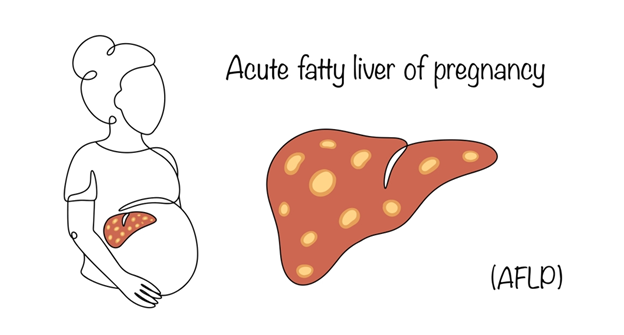
Pregnancy places significant metabolic and hormonal demands on a woman’s body, and the liver plays a central role in handling these changes. While most women recover smoothly after delivery, some may experience persistent liver enzyme elevation, fatty liver changes, or bile flow disturbances in the weeks or months that follow. Liver damage after pregnancy is not widely discussed, yet it is an important clinical concern,especially when symptoms like fatigue, jaundice, or abnormal blood reports continue beyond the expected recovery period.
The early identification of postpartum liver dysfunction helps improve patient outcomes while preventing long-term health issues according to evidence-based research. Dr. Ksheetij Kothari states that doctors should perform liver function tests and refer patients to specialists when their symptoms continue to exist. The top Gastroenterologist in Pune and one of the best Gastroenterologists in Pune dedicates his practice to providing accurate diagnosis and systematic assessment together with customized treatment solutions for women who face liver problems after childbirth.
Can pregnancy cause liver damage?
Short answer: Yes, but it’s uncommon.
Pregnancy itself doesn’t usually “damage” the liver in healthy women. However, it can trigger specific liver-related conditions, such as:
- Pregnancy-related fatty liver changes
- Intrahepatic cholestasis of pregnancy (reduced bile flow)
- HELLP syndrome (a severe pregnancy complication)
- Exacerbation of pre-existing liver disease
The majority of liver conditions that occur during pregnancy will resolve after the woman gives birth to her child. Periodically, patients experience extended times of increased liver enzymes together with ongoing medical symptoms after their delivery. The condition requires assessment because it might involve persistent inflammation together with fatty liver disease and other undiagnosed medical conditions.
Postpartum hormonal changes together with sudden weight fluctuations and women developing insulin resistance and nutritional deficiencies create additional pressure on their livers.
Here’s what’s important.
People should not dismiss ongoing medical problems as common after childbirth weakness. A person needs to investigate anything that makes them feel unwell.
If your recovery feels slower than expected, schedule a consultation with a liver specialist.
What are the signs of liver damage after pregnancy?
Watch for these subtle clues.
Symptoms can be mild at first and easily mistaken for general postpartum fatigue. Common warning signs include:
- Persistent tiredness beyond expected new-mother exhaustion
- Yellowing of the eyes or skin (jaundice)
- Dark urine or pale stools
- Loss of appetite
- Nausea that doesn’t improve
- Abdominal discomfort, especially in the upper right area
- Swelling in legs or abdomen
- Easy bruising
Sometimes blood tests reveal elevated liver enzymes even before clear symptoms appear. That’s why routine postpartum follow-ups are so valuable.
Four classic warning signs of a damaged liver include jaundice, abdominal pain, persistent fatigue, and unexplained swelling.
If symptoms worsen rapidly—such as confusion, severe pain, or high fever—immediate medical attention is necessary.
Noticing yellowing eyes or unusual fatigue? Early testing can prevent complications.
Causes of liver damage after pregnancy
Let’s break it down clearly.
Several factors can contribute to liver dysfunction after childbirth:
1. Fatty Liver Changes
Rapid weight gain during pregnancy followed by sudden metabolic shifts can lead to fat accumulation in liver cells. This condition may persist postpartum if lifestyle adjustments are not made.
2. Hormonal Imbalance
3. HELLP Syndrome After Effects
4. Viral Infections
5. Autoimmune Conditions
6. Medication Overuse
Understanding the root cause is essential because treatment depends entirely on the underlying issue.
Unsure what’s affecting your liver health? Accurate diagnosis is the first step toward recovery.
How to manage and recover from liver damage after pregnancy?
Recovery is possible—and often very successful.
Management depends on the severity and cause of liver involvement. Most mild postpartum liver changes resolve with supportive care and monitoring.
Lifestyle Modifications
- Balanced, protein-rich diet
- Adequate hydration
- Gradual weight normalization
- Avoidance of alcohol
- Regular physical activity once medically cleared
Medical Monitoring
Targeted Treatment
Rest and Recovery
Most importantly, early medical supervision prevents minor issues from escalating.
When to contact doctor
Don’t ignore persistent warning signs.
You should consult a doctor immediately if you experience:
- Jaundice
- Severe abdominal pain
- Continuous vomiting
- High fever with weakness
- Mental confusion
- Significant swelling
Even if symptoms seem mild but linger beyond a few weeks postpartum, evaluation is wise. A Gastroenterologist in Pune can perform appropriate tests and provide clarity.
Early diagnosis ensures faster recovery and prevents long-term complications.
Conclusion
The body experiences remarkable transformations throughout pregnancy. The majority of changes will reverse after delivery yet some changes will need medical treatment. Postpartum liver damage occurs in rare cases which can affect women who had pregnancy-related liver diseases or metabolic health issues.
The encouraging news is this: with timely diagnosis and proper care, most postpartum liver issues are reversible. Monitoring symptoms together with healthy lifestyle choices and consulting the Best Gastroenterologist in Pune at required times will create significant positive outcomes.
Your health matters because it affects not only your life but also the wellbeing of your expanding family.
FAQs
What is a fatty liver disease after pregnancy?
Will my liver go back to normal after pregnancy?
What are four warning signs of a damaged liver?
Is postpartum jaundice common in mothers?
Can breastfeeding affect liver recovery?
Reference:
National Institute of Diabetes and Digestive and Kidney Diseases (NIDDK) – Liver Disease Overview
World Health Organization (WHO) – Maternal Health Guidelines