
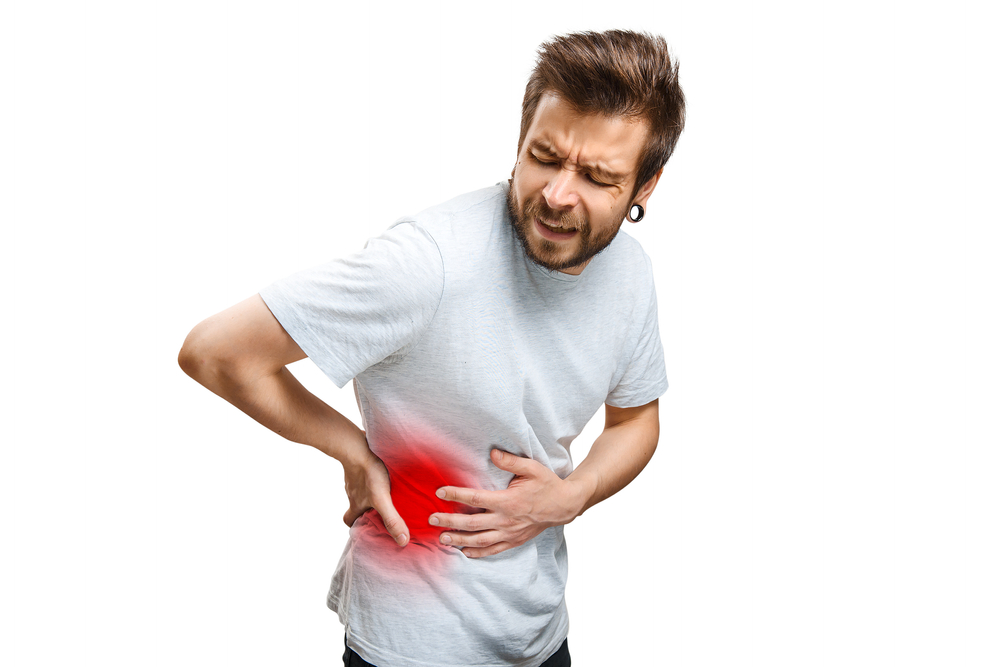
Rib pain after drinking alcohol is one of those symptoms people tend to dismiss as a bad hangover. At least the first few times. But it’s actually your digestive system signalling that something isn’t right. The pain usually appears just below the rib cage, on the right side, the left, or sometimes both. It can be dull and achy, or sharp enough to make you stop mid-breath. And depending on what’s causing it, it may pass in a few hours or keep coming back every time you drink.
According to Dr. Ksheetij Kothari, Gastroenterologist in Pune, “Rib pain after alcohol is rarely just a hangover symptom — in most cases it points to liver stress, pancreatic irritation, or active gastric inflammation that needs proper evaluation.”
Is It Normal to Have Rib Pain After Drinking Alcohol?
The short answer is no. Not if it keeps happening.
A single episode of mild heaviness after a particularly heavy night can occasionally occur without any underlying disease. Alcohol does slow digestion, irritate the stomach lining, and dehydrate you, all of which can cause some discomfort. But that kind of discomfort is vague and generalised. It doesn’t come back every time you drink. It doesn’t settle under one side of the rib cage. And it doesn’t come with other symptoms like nausea, yellowing of the skin, or fever.
Recurring rib pain after alcohol is a different story. If you notice a pattern, drink on Friday and rib pain by Saturday morning, that’s your body flagging a consistent problem. The liver, pancreas, stomach, and spleen all sit in or near the upper abdominal region, and all of them can be affected by regular or heavy alcohol consumption. The pain you’re feeling is likely coming from one or more of those organs being under stress.
There’s also the matter of timing. Some people feel the pain during drinking. Others notice it the next morning. And some only get it after sustained heavy drinking over days or weeks. Each pattern points toward slightly different causes, which is exactly why a proper diagnosis matters more than assuming it’ll go away on its own.
What Are the Causes of Rib Pain After Drinking Alcohol?
There are several conditions that can cause rib cage pain when you drink. Some of them are reversible with lifestyle changes. Others need medical treatment. A few can become serious if left alone.
Alcoholic Hepatitis and Liver Inflammation
The liver sits just under the right rib cage, which is why liver problems almost always show up as right-sided rib or upper abdominal pain. Alcohol is directly toxic to liver cells. Drink regularly or heavily, and the liver responds with inflammation, a condition called alcoholic hepatitis. The swelling creates pressure and produces that characteristic dull ache below the right ribs. Over time, unchecked inflammation can progress to fibrosis and cirrhosis. Alcoholic liver disease treatment in its early stages is far more effective than waiting for symptoms to worsen.
Pancreatitis
The pancreas sits behind the stomach and is one of the organs most directly affected by alcohol. Even a single heavy drinking episode can trigger acute pancreatitis in susceptible people. The pain typically starts in the upper abdomen or left rib area and often radiates straight through to the back. That back radiation is a fairly distinctive feature of pancreatic involvement. Chronic alcohol use can cause recurrent or chronic pancreatitis, which gets progressively harder to manage.
Gastritis and Stomach Irritation
Alcohol irritates the stomach lining almost immediately. It strips away the protective mucus layer, allowing stomach acid to attack the underlying tissue. The resulting inflammation, gastritis, produces a burning or gnawing sensation in the upper abdomen that can extend toward the lower ribs. People with existing peptic ulcers or acid reflux will notice this more intensely even with moderate alcohol intake.
Spleen Enlargement
Chronic alcohol use increases pressure in the portal vein, which drains blood from the digestive tract into the liver. That increased pressure can cause the spleen to enlarge, a condition called splenomegaly. An enlarged spleen produces a persistent dull ache or fullness under the left rib cage that’s easy to mistake for a muscle ache or trapped gas. It’s often an underappreciated cause of left-sided rib discomfort in people who drink regularly.
Intercostal Muscle Strain
This one is less serious but worth mentioning. Repeated vomiting after drinking, or even forceful coughing, can strain the small muscles between the ribs. The resulting pain is usually sharp, worsens with breathing or pressing on the rib area, and doesn’t come with digestive symptoms. It’s more superficial than organ-related pain and typically resolves on its own in a few days.
Fatty Liver Disease
Heavy or chronic drinking causes fat to accumulate in liver cells, a condition called alcoholic fatty liver disease. It’s often silent in the early stages, but some people do experience a dull heaviness or discomfort in the right upper abdomen. A FibroScan can assess liver stiffness non-invasively and give a clear picture of how much liver involvement is present.
How to Manage the Pain
How you manage rib pain after alcohol depends entirely on what’s causing it. That said, there are steps that apply across the board while you’re getting it properly assessed.
Stop or significantly reduce alcohol intake
There’s no workaround here. As long as you keep drinking, whatever is inflamed stays inflamed. Even a few weeks of complete abstinence can measurably reduce liver inflammation and give the pancreas and stomach lining a real chance to recover.
Stay well hydrated
Alcohol is a strong diuretic, and dehydration makes pain worse. Water, coconut water, and oral rehydration salts help restore electrolyte balance and support the liver’s ability to process and eliminate toxins. Aim for at least 2.5 to 3 litres of water on days following alcohol consumption.
Watch what you eat
During any episode of rib pain, stick to bland, easily digestible foods such as rice, bananas, plain toast, and boiled vegetables. Avoid fatty, spicy, and highly acidic foods. These are harder for an irritated stomach or inflamed pancreas to process and will extend your recovery.
Avoid NSAIDs like ibuprofen
This is a really important one. Ibuprofen and alcohol are a damaging combination for the stomach lining. If you need pain relief, paracetamol at the correct dose is safer. But be cautious, because even paracetamol can be hard on a compromised liver at higher doses.
Get a proper diagnostic workup
Managing pain you don’t understand is essentially guessing. Liver function tests, an ultrasound, a FibroScan, or an endoscopy, depending on your symptoms, can tell you exactly what’s going on and what specific treatment is needed. Early investigation always leads to better outcomes.
When to Contact a Doctor
Some symptoms alongside rib pain are serious enough that waiting is not a reasonable option. If you’re experiencing any of the following, book an appointment or go to a hospital promptly.
Jaundice, yellowing of the skin or eyes: This happens when the liver can’t process bilirubin efficiently. Rib pain combined with jaundice is a clear sign the liver is under significant stress and needs immediate evaluation.
Pain that lasts beyond 48 hours or wakes you up at night: Pain that persists past two days, or that’s bad enough to interrupt your sleep, has crossed from discomfort into a clinical symptom that needs investigation.
Vomiting blood or dark, tar-like stools: These are signs of active gastrointestinal bleeding. That’s a medical emergency. Don’t wait.
High fever with upper abdominal pain: Fever combined with rib or upper abdominal pain can indicate acute pancreatitis, a bile duct infection, or alcoholic hepatitis with complications. All of these need prompt medical attention.
Rapid or unexplained weight loss: Losing weight without trying, alongside digestive symptoms and rib pain, can occasionally point toward more serious GI pathology that needs ruling out.
Pain that radiates to the back: As mentioned earlier, this is particularly associated with pancreatic involvement and shouldn’t be ignored, especially after drinking. Early pancreatitis treatment makes a significant difference in recovery outcomes.
These symptoms don’t have to stay a mystery. A consultation with a gastroenterologist in Pune will give you a definitive answer and a clear path forward.
Conclusion
Rib pain after drinking alcohol isn’t something to keep normalising. It could be a temporary irritation, or it could be your liver, pancreas, or stomach telling you something important. The gap between those two possibilities is exactly why getting it properly evaluated matters. Most of the conditions behind this symptom respond well to early treatment. The ones that don’t are the ones that were left alone too long. Don’t let that be your story.
FAQs
Is rib pain after drinking alcohol always a liver problem?
Not always. It can involve the pancreas, stomach, spleen, or even intercostal muscles depending on symptoms and location.
What does right-side rib pain after drinking usually mean?
Right-sided rib pain after alcohol typically points to liver inflammation or early alcoholic liver disease.
Can one night of heavy drinking cause rib pain?
Yes. A single episode of heavy drinking can trigger acute gastritis or pancreatitis, both of which cause rib or upper abdominal pain.
Is left-side rib pain after alcohol serious?
Left-sided pain after drinking is often linked to the pancreas or spleen and should be evaluated, especially if it radiates to the back.
How long should rib pain after drinking last?
Mild discomfort may resolve within 24 hours. Pain lasting beyond 48 hours or recurring with every drink needs medical review.
