
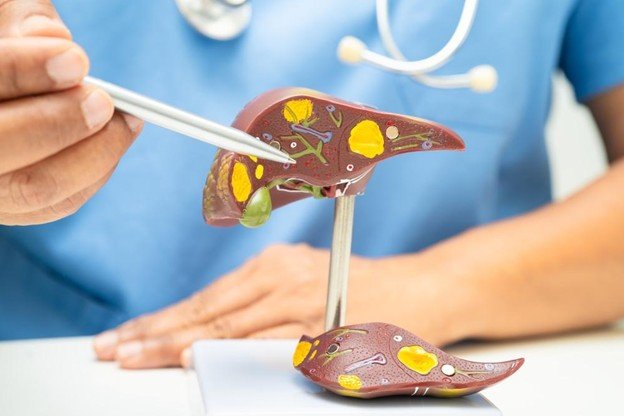
Stage 1 liver failure is when the liver starts to have problems doing its function. Usually the damage is not bad enough to cause very serious symptoms. Doctor Ksheetij Kothari, a doctor for stomach problems in Pune says that if we find and treat liver failure early it can make a big difference. We can stop it from getting worse.He emphasizes that stage 1 liver failure is manageable if diagnosed early, making regular checkups and awareness of symptoms essential.
Dr. Ksheetij Kothari is an experienced gastroenterologist who specializes in liver-related issues and endoscopic procedures. With extensive experience in treating conditions like stage 1 liver failure, Dr. Kothari’s clinic is a trusted resource for patients seeking accurate diagnosis and effective treatment. As one of the best gastroenterologists in Pune, Dr. Kothari’s expertise in liver health ensures comprehensive care for his patients at every stage of liver disease.
What Happens in Stage 1 Liver Failure?
What exactly occurs during stage 1 liver failure, and how does it affect the liver? Let’s take a closer look at the changes happening in your liver at this early stage.
In the stage of liver failure the liver starts to get a little worn out. It is not working well as it should be but it can still do most of its work. The liver may be getting a bit inflamed at this stage, which can make it harder for it to clean out toxins, make protein and keep our metabolic functions properly. However, unlike later stages of liver failure, the liver is still pretty strong at this point so if we take care of it and get the right treatment it can still get better. Timely treatment can help prevent further damage and support liver function through lifestyle changes, medication, or other therapeutic measures.
Symptoms of Stage 1 Liver Failure
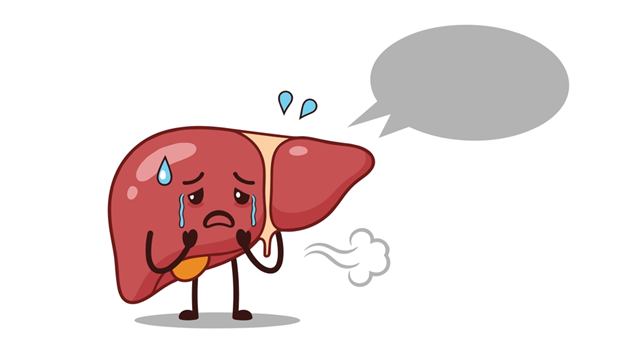
How do the symptoms of stage 1 liver failure manifest, and what should you watch out for? Let’s discuss the common symptoms you may experience at this stage.
Symptoms of stage 1 liver failure are often mild but can become more pronounced over time if left untreated. Common symptoms include:
- Fatigue: Feeling excessively tired or weak, even after resting.
- Nausea and Vomiting: Persistent feelings of nausea that may lead to vomiting.
- Loss of Appetite: Loss of will to eat and like losing weight without trying because this can be a sign that something’s wrong with your liver.
- Mild Jaundice: A yellowish tint in the skin or eyes, indicating that the liver is struggling to process bilirubin.
- Abdominal Discomfort: Mild pain or bloating in the upper right side of the abdomen, where the liver is located.
These symptoms can be easily dismissed as minor issues, but they may indicate early liver dysfunction. Identifying these signs early can lead to more effective treatment and management.
Causes of Stage 1 Liver Failure
What causes stage 1 liver failure, and how can these factors lead to liver dysfunction? Let’s uncover the most common causes of this early stage of liver failure.
The causes of stage 1 liver failure can vary, but some of the most common include:
- Chronic Alcohol Consumption: Long-term excessive alcohol intake can damage liver cells and lead to inflammation.
- Hepatitis: Also, caused by infections like hepatitis B or hepatitis C. These infections can make the liver swell. Hurt the tissues inside the liver. Hepatitis B and hepatitis C are really bad for the liver. They can cause a lot of damage to the liver tissues.
- Non-Alcoholic Fatty Liver Disease (NAFLD): Often linked to obesity or poor dietary habits, fatty liver disease can progress to liver failure over time.
- Medications and Toxins: Some medications, particularly when taken in high doses, or exposure to toxins can harm the liver.
- Genetic Disorders: Conditions like hemochromatosis or Wilson’s disease can lead to liver damage over time.
It is really important to know what is causing liver failure so we can deal with it properly and stop things from getting worse. Consulting with a liver specialist in Pune can help identify the cause and develop a tailored treatment plan.
How to Manage Stage 1 Liver Failure
What steps can you take to manage stage 1 liver failure effectively? Let’s explore some strategies to improve liver health at this early stage.
Managing stage 1 liver failure involves a combination of lifestyle changes, medical treatments, and regular monitoring. Some key strategies include:
- Dietary Changes: A healthy, balanced diet rich in fruits, vegetables, and lean proteins can support liver function. Avoiding alcohol and processed foods is also crucial.
- Weight Management: If obesity or fatty liver is the cause, losing weight through exercise and a controlled diet can significantly improve liver health.
- Medication: If liver failure is linked to a specific condition like hepatitis or fatty liver disease, medications can help manage symptoms and prevent further damage.
- Regular Monitoring: Regular check-ups with a gastroenterologist or liver specialist can help monitor liver function and detect any progression of the disease early.
By taking proactive steps in managing your liver health, you can significantly reduce the risk of advancing to later stages of liver failure.
Treatment Options for Stage 1 Liver Failure
What are the available treatment options for stage 1 liver failure, and how can they help? Let’s discuss the most common and effective treatments.
The treatment options for stage 1 liver failure focus on addressing the underlying cause of the condition and supporting the liver’s ability to function. Some common treatments include:
- Antiviral Medications: If hepatitis is the cause, antiviral drugs can help reduce viral load and prevent further liver damage.
- Lifestyle Modifications: Changes in diet, exercise, and avoiding alcohol are essential components of managing liver failure.
- Nutritional Supplements: Some things like vitamin E or milk thistle can help keep liver cells from getting damaged even more. These things, like vitamin E and milk thistle are good for the liver cells. They can really help protect liver cells from damage.
- Monitoring and Follow-up:We need to keep an eye on the liver to see how it is doing. This is done with blood tests and imaging. These tests can track liver function And find out if there are any problems.
Working closely with a liver specialist ensures that you receive the right combination of treatments tailored to your specific needs.
When to Contact a Doctor
When should you reach out to a doctor if you suspect liver failure? Let’s discuss the signs that require immediate medical attention.
You should get in touch with a doctor or a liver specialist if you have any of these problems:
- Worsening fatigue or inability to perform daily tasks
- Severe nausea, vomiting, or loss of appetite
- Noticeable jaundice or yellowing of the skin and eyes
- Severe abdominal pain, especially in the upper right quadrant
- Sudden weight loss or fluid retention
Prompt consultation can help prevent further liver damage and improve the chances of successful treatment.
Conclusion
Stage 1 liver failure is an important stage to catch early, as it allows for effective management and treatment. By recognizing the symptoms and seeking professional care, you can prevent further liver damage and improve your quality of life. Working with a gastroenterologist or liver specialist can ensure you receive the best possible care and support as you manage this condition.