
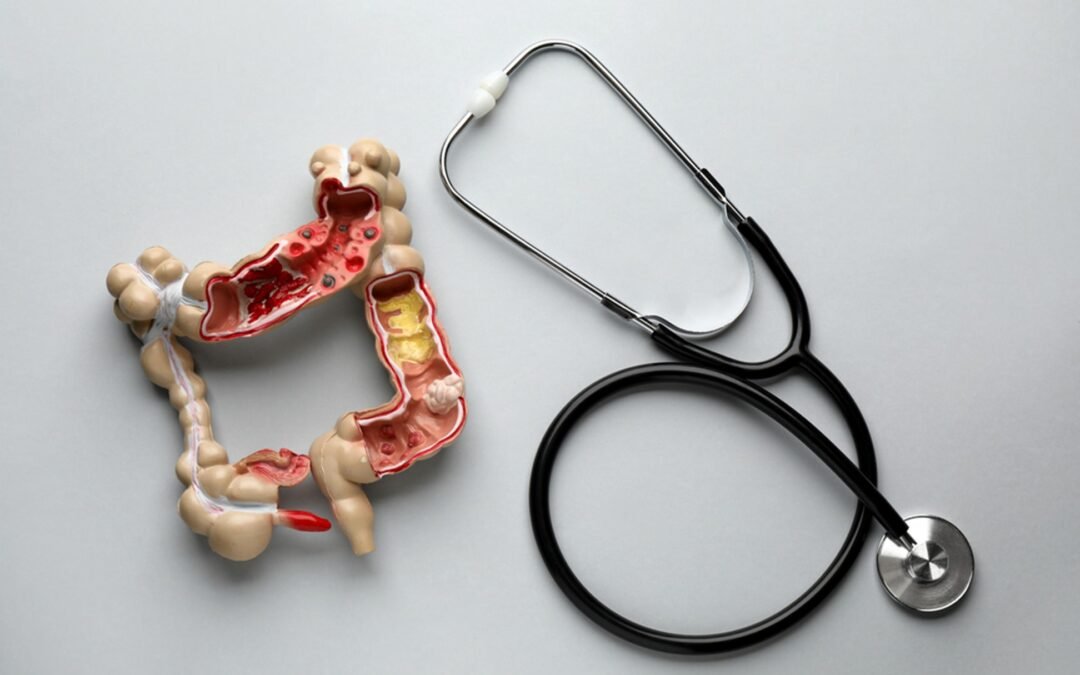
A tumor in the large intestine is one of the most commonly diagnosed gastrointestinal conditions — and one of the most preventable, when caught early. Yet most patients seek help only after symptoms become severe, by which time treatment becomes significantly more complex.
As a leading Gastroenterologist in Pune, Dr. Ksheetij Kothari regularly treats patients across all stages of this condition. This guide covers everything you need to know — from causes and warning signs to treatment options and recovery.
What Causes a Tumor in the Large Intestine?
Genetic conditions
Diet
Inflammatory Bowel Disease
Long-standing Ulcerative Colitis or Crohn’s disease increases cancer risk considerably over time.
Lifestyle factors
Age
What Are the Signs of a Tumor in the Large Intestine?
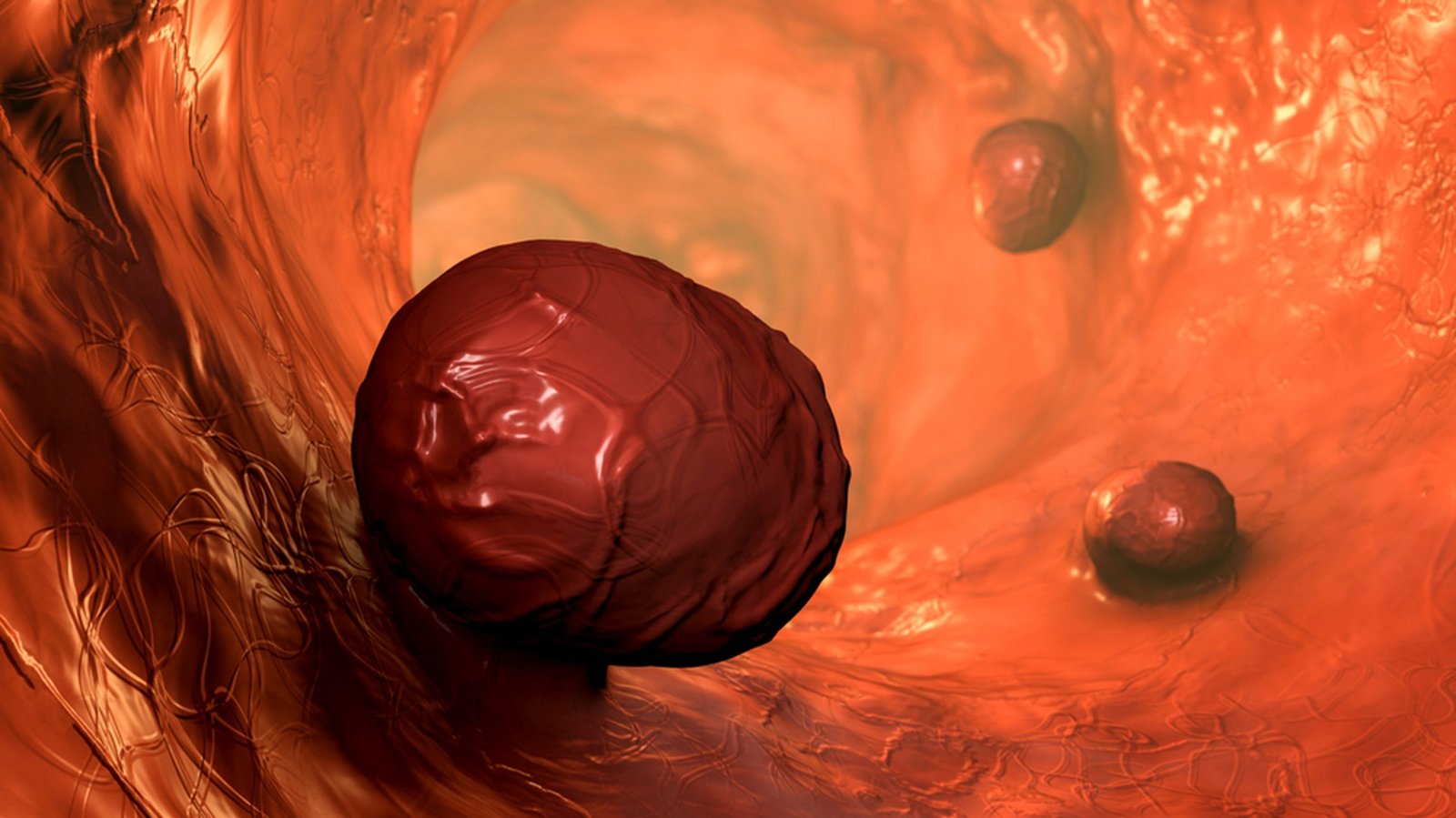
Blood in stool
Persistent change in bowel habits
Chronic diarrhea, constipation, or pencil-thin stools lasting more than 3–4 weeks.
Abdominal pain and cramping
Unexplained weight loss
Fatigue and anemia
What Are the Types of Tumors in the Large Intestine?
Adenomatous Polyps
Serrated Polyps
Colorectal Adenocarcinoma
Carcinoid (Neuroendocrine) Tumors
Gastrointestinal Stromal Tumors (GIST)
Treatment Options for Tumor in the Large Intestine
Endoscopic Removal (Polypectomy / EMR)
Benign polyps and early-stage tumors are removed during colonoscopy — a minimally invasive, same-day procedure.
Surgery (Colectomy)
Chemotherapy
Radiation Therapy
Targeted Therapy
Immunotherapy
What Is the Recovery Period for a Tumor in the Large Intestine?
After endoscopic removal
After laparoscopic surgery
After chemotherapy
After radiation
Long-term surveillance is essential regardless of treatment — including regular CEA blood tests, CT scans, and follow-up colonoscopies. Dietary changes, regular exercise, and weight management significantly reduce the risk of recurrence.
Conclusion
A tumor in the large intestine is serious — but with early detection and expert care, outcomes are excellent. Whether you have persistent digestive symptoms, a family history of colorectal cancer, or are due for routine screening, acting early can be life-saving. Consult Dr. Ksheetij Kothari, a trusted Gastroenterologist in Pune, for a thorough evaluation and personalized care plan. Early action is your strongest defense.
FAQs
Is large intestine cancer curable?
Can you survive a tumor in your intestine?
How fast do intestinal tumors grow?
Are intestinal tumors cancerous?
