
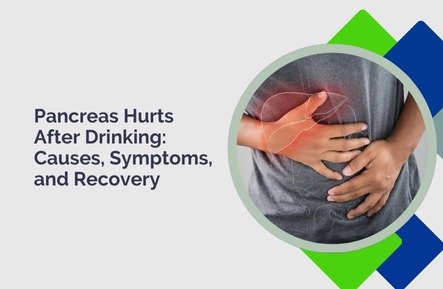
If your pancreas hurts after drinking, it’s probably not just a passing ache. Alcohol can really irritate this crucial organ, which handles digestion and helps regulate blood sugar. Pain in the upper abdomen after alcohol intake could mean inflammation of the pancreas—pancreatitis—a problem that shouldn’t be ignored.
We tend to overlook how even a few drinks can put the pancreas under stress. Over time, repeated irritation might lead to lasting damage, messing with enzyme production and causing digestive troubles. If you notice early signs like stubborn pain, nausea, or bloating, it’s worth paying attention before things get worse.
At Dr Ksheetij Kothari’s gastroenterology clinic in Pune, we try to dig into what’s actually causing pancreatic discomfort and work toward a safe recovery. Understanding why alcohol sets off this pain can help us make better choices and hopefully avoid future flare-ups.
Why Does The Pancreas Hurt After Drinking?
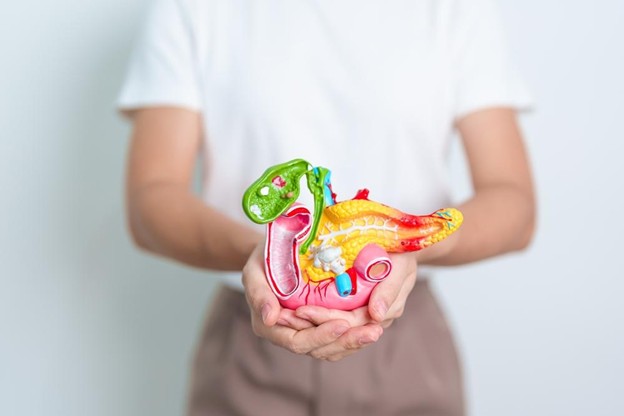
Pain in the upper abdomen after drinking isn’t random—it’s usually a sign your pancreas is irritated or inflamed. Since the pancreas is key for digestion and blood sugar, alcohol can throw both out of whack.
Alcohol pushes the pancreas to release digestive enzymes even when you haven’t eaten. Those enzymes can build up and start digesting the pancreas itself, which leads to inflammation—yep, pancreatitis.
With acute pancreatitis, pain can hit within hours or a day after heavy drinking. It’s usually intense, sticks around, and sometimes shoots through to your back. In chronic pancreatitis, repeated alcohol use causes scarring and permanent damage, bringing on long-term pain and digestive issues.
Type of Pancreatitis | Onset | Common Symptoms | Cause |
Acute | Sudden | Severe upper abdominal pain, nausea, vomiting | Binge or heavy drinking |
Chronic | Gradual, recurring | Persistent pain, malabsorption, weight loss | Long-term alcohol use |
Symptoms Of Pancreatic Pain After Drinking
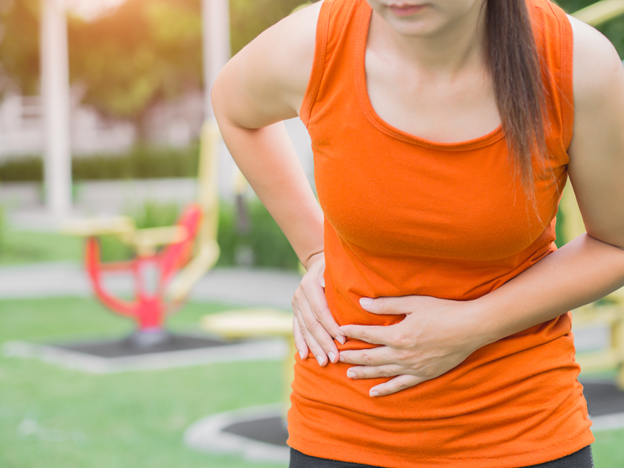
Pancreatic pain after drinking isn’t subtle. This kind of discomfort can show up a few hours after you’ve had alcohol, or it can just hang around if the problem’s been brewing for a while.
Common symptoms include:
- Persistent or sharp upper abdominal pain that sometimes radiates to the back
- Nausea and vomiting—especially after meals or drinking
- Loss of appetite and unexplained weight loss
- Bloating or feeling full even after eating a little
Sometimes, lying flat or having fatty foods just makes the pain worse. The discomfort can be mild or really bad, and there might be some tenderness in the upper abdomen too.
Symptom | Typical Pattern After Drinking |
Abdominal pain | Starts within hours, may spread to back |
Nausea and vomiting | Common after heavy or repeated drinking |
Fever or increased heart rate | Suggests inflammation or infection |
Diarrhoea or greasy stools | Points to poor fat digestion |
You might also notice fatigue, a bit of a fever, or changes in your stool. These are all signs your pancreas isn’t making enough enzymes.
If this keeps happening after you drink, it could be acute or chronic pancreatitis. Catching these signs early means you can get checked out and hopefully avoid more serious pancreatic problems.
What Can Be Mistaken For Pancreatitis?
A lot of people show up with symptoms that look like pancreatitis but actually come from something else. Abdominal pain, nausea, and vomiting pop up in all sorts of conditions, so it takes a careful look to figure out what’s really going on.
Cholecystitis (gallbladder inflammation) is a big imitator. It usually causes right upper abdominal pain and fever, and an ultrasound often turns up gallstones. Peptic ulcer disease can also cause epigastric pain and nausea, sometimes easing up after you eat or pop an antacid.
Bowel obstruction brings severe pain, bloating, and vomiting—imaging will usually show a dilated bowel. Appendicitis can look like pancreatitis at first, but that pain usually drifts to the right lower belly.
Other things that can mimic pancreatitis? Diabetic ketoacidosis, heart attack, and perforated viscus all make the list. Each needs its own set of tests—bloodwork, ECG, a CT scan, you name it—to sort out the real cause.
| Condition | Common Symptoms | Key Differentiating Features |
| Pancreatitis | Epigastric pain radiating to the back, nausea, vomiting | High amylase/lipase, imaging shows pancreatic inflammation |
| Cholecystitis | Right upper quadrant pain, fever | Gallstones on ultrasound, elevated liver enzymes |
| Peptic Ulcer Disease | Epigastric pain, nausea | Pain relief with food/antacids, ulcers on endoscopy |
| Bowel Obstruction | Pain, vomiting, distension | Imaging shows bowel dilation |
| Appendicitis | Pain moving to right lower quadrant | Local tenderness, CT confirms inflammation |
How To Heal The Pancreas From Alcohol
The best shot at healing your pancreas? Stop drinking alcohol—entirely. Even a little can slow recovery and up the risk of chronic pancreatitis. First step: total abstinence, and if quitting is tough, get help from a doctor for safe withdrawal.
Eating well goes a long way. Aim for low-fat meals, lean proteins, and plenty of fruits and veggies. Skip fried stuff and processed fats—they just make things harder on your pancreas. Smaller, more frequent meals are easier to handle and less likely to trigger pain or nausea.
Recommended Foods | Foods to Avoid |
Boiled vegetables, fruits, whole grains | Fried foods, red meat, processed snacks |
Lean proteins (fish, chicken) | Alcohol, sugary drinks |
Low-fat dairy | High-fat sauces, butter |
When To Contact The Doctor?
Don’t wait if upper abdominal pain sticks around or gets worse, especially after drinking. That pain might be your pancreas asking for help—it’s time to get checked out.
If you’re dealing with nausea, vomiting, or bloating that gets worse after eating, it’s smart to call a doctor. These could be signs your pancreas isn’t working right, or even early pancreatitis.
Seek urgent medical attention if you notice:
- Fever or a racing heartbeat
- Yellow skin or eyes (jaundice)
- Sudden or unexplained weight loss
- Oily or pale stools
These can point to serious problems like infection or blocked bile ducts.
If you keep getting bouts of abdominal pain or digestive trouble—even if it’s not that bad—don’t shrug it off. Chronic irritation can quietly damage your pancreas over time.
Symptom | Possible Concern | Recommended Action |
Persistent abdominal pain | Inflammation or pancreatitis | See a doctor right away |
Fever and rapid pulse | Infection or severe inflammation | Go to emergency care |
Jaundice | Bile duct blockage | Contact a gastroenterologist promptly |
Dr Ksheetij Kothari, a gastroenterologist in Mumbai, can help sort out these symptoms and guide you through diagnosis and treatment. Getting checked early is the best way to protect your digestive health and avoid bigger issues down the road.
Conclusion
Pain in the pancreas after drinking—yeah, that’s not something to brush off. It often points to irritation or inflammation, and honestly, it’s usually a sign you should see a doctor. Alcohol really puts the pancreas through its paces, and those symptoms deserve attention. Getting checked out early helps figure out if you’re dealing with acute or chronic pancreatitis, or maybe something else entirely.
When someone comes in with these issues, we dig into the underlying cause. Is it alcohol? Gallstones? Something metabolic? Pinning that down is how we can actually do something about it, not just guess and hope for the best.
Key steps we recommend:
- Cut out alcohol right away—it’s just not worth making things worse.
- Stick to a low-fat, balanced diet so your pancreas isn’t working overtime.
- Get a professional opinion if the pain hangs on or ramps up.
Concern | Recommended Action |
Persistent pain after drinking | Schedule a gastroenterology consultation |
Nausea, vomiting, or fever | Request urgent medical assessment |
Recurrent discomfort | Follow up for imaging and enzyme tests |
In our clinic, we’re big on early intervention and making practical lifestyle tweaks to protect pancreatic health. If you tackle symptoms quickly and actually change a few habits, you can seriously lower your risk of this happening again—and honestly, your digestive system will thank you in the long run.