
Gastro-oesophageal reflux disease without oesophagitis, also called non-erosive reflux disease (NERD), means a person has typical reflux symptoms but a normal endoscopy showing no visible damage to the oesophageal lining. It accounts for up to 70 percent of all GERD cases and is easy to miss.
According to Dr. Ksheetij Kothari, a senior Gastroenterologist in Pune, “A normal endoscopy does not mean the reflux isn’t real. Many patients with persistent heartburn have NERD, and they need treatment just as much as those with visible erosions.”
Recognizing the Symptoms of GERD Without Oesophagitis
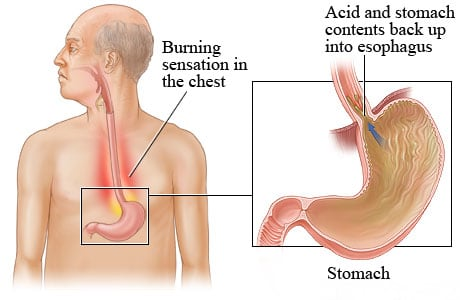
Symptoms of NERD look identical to classic reflux, which is exactly why a clear scope can be confusing. The acid is still rising. The lining just hasn’t broken down yet.
- Heartburn: A burning feeling behind the breastbone, often worse after meals or lying down
- Acid regurgitation: A sour or bitter taste rising into the throat or mouth
- Chest discomfort: Pressure that can mimic cardiac pain and needs ruling out first
- Throat symptoms: Chronic clearing, hoarseness, or a lump-like sensation when swallowing
- Sleep disruption: Night-time reflux that wakes you or leaves you coughing
- Bloating and belching: Upper abdominal fullness that worsens through the day
One thing worth flagging: people with NERD often respond more slowly to standard acid suppression than those with erosions. That doesn’t mean the treatment isn’t working. It sometimes just takes longer. Persistent reflux is usually worked up alongside acid peptic disease treatment to rule out related conditions.
What Triggers Gastro-Oesophageal Reflux Disease Without Oesophagitis?
Triggers for NERD overlap heavily with general reflux, but symptom sensitivity tends to be higher even when acid levels are only mildly raised.
- Dietary triggers: Spicy food, caffeine, citrus, fatty meals, and carbonated drinks
- Lifestyle factors: Smoking, alcohol, late dinners, and lying down soon after eating
- Obesity: Extra abdominal pressure pushes stomach contents upward
- Hiatus hernia: A weakened diaphragm opening that lets acid escape more easily
- Stress and oesophageal hypersensitivity: A common reason normal acid feels intensely uncomfortable
- Certain medications: Some painkillers, calcium channel blockers, and sedatives relax the valve
Stress matters more here than most people expect. A hypersensitive oesophagus reacts to small amounts of acid that wouldn’t bother someone else, which is why anxiety and poor sleep often make NERD feel worse.
Diagnosis, Treatment & Long-Term Management of NERD
- Upper GI endoscopy: Confirms the lining is normal and rules out other conditions
- 24-hour pH monitoring: Measures acid exposure in the oesophagus over a full day
- Impedance-pH testing: Detects both acid and non-acid reflux episodes
- PPI trial: A short course of acid-suppressing medication that helps confirm the diagnosis
- Lifestyle modification: Weight loss, smaller meals, raising the head of the bed, and avoiding triggers
- Long-term therapy: Maintenance acid suppression, and in some cases drugs that reduce oesophageal sensitivity
Here’s a quick guide to how NERD is typically worked up and managed:
| Stage | What’s Involved |
| First visit | Symptom history, trigger review, PPI trial |
| Within 2 to 4 weeks | Upper GI endoscopy to confirm normal lining |
| If symptoms persist | 24-hour pH or impedance-pH monitoring |
| Long-term | Lifestyle changes, maintenance therapy, periodic review |
The scope itself is part of the clinic’s endoscopic services, so most of the workup happens in one place.
Patients across Pune trust Dr. Ksheetij Kothari for difficult reflux cases where standard tests come back clear, thanks to his advanced endoscopy experience and detailed acid-monitoring workups. A consultant at Sahyadri Hospital with a DM in Gastroenterology and fellowship training in advanced endoscopy, he focuses on getting the diagnosis right before committing patients to long-term medication.