
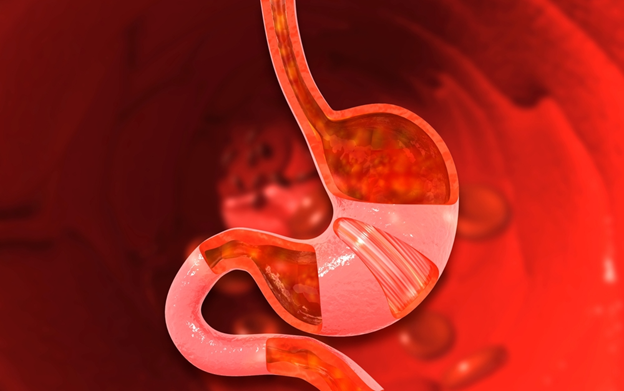
The stomach lining plays a crucial role in protecting the stomach from the harsh acidic environment necessary for digestion. When the stomach lining becomes thin, the stomach’s protective barrier is weakened, leading to potential health complications. Thinning of the stomach lining is a condition that can cause discomfort, pain, and digestive issues. Over time, if not managed effectively, it may lead to more serious conditions, such as gastritis or ulcers.
In this article, we will explore the causes, symptoms, management strategies, and treatment options for thinning of the stomach lining. If you’re experiencing digestive issues, it might be time to consult a gastroenterologist in Pune to receive a proper diagnosis and treatment plan tailored to your needs.
If you’re experiencing digestive issues, it might be time to consult a gastroenterologist in Pune for a proper diagnosis and treatment plan tailored to your needs. Contact a specialist today!
What are the Causes of Thinning of the Stomach Lining?
Several factors can contribute to the thinning of the stomach lining, and understanding these causes can help individuals make informed decisions about prevention and treatment. Some of the common causes include:
- Excessive Alcohol Consumption:
Alcohol is known to irritate the stomach lining and increase acid production. Long-term, heavy drinking can damage the stomach’s protective lining, leading to thinning and potential ulcer formation. This is especially true for individuals who consume alcohol frequently or in large quantities. - Use of Nonsteroidal Anti-Inflammatory Drugs (NSAIDs):
NSAIDs, such as aspirin and ibuprofen, are commonly used to treat pain and inflammation. However, prolonged use of these medications can interfere with the stomach’s ability to produce mucus, which serves as a protective barrier. As a result, the stomach lining becomes more susceptible to damage and thinning. - Infections (H. Pylori):
One of the most common causes of stomach lining thinning is an infection caused by the bacterium Helicobacter pylori (H. pylori). This bacterium disrupts the stomach lining and can lead to inflammation, ulcers, and even thinning of the stomach lining. It is estimated that over half of the world’s population carries this bacterium, though many people do not experience symptoms. - Stress:
Chronic stress can negatively impact the digestive system. It can lead to increased acid production in the stomach, which can irritate and damage the stomach lining. While stress is not the sole cause of thinning stomach lining, it can exacerbate the condition in individuals already at risk. - Autoimmune Disorders:
In some cases, thinning of the stomach lining may be linked to autoimmune conditions, such as autoimmune gastritis. In these conditions, the body’s immune system mistakenly attacks the stomach lining, leading to inflammation and thinning. - Aging:
As individuals age, the stomach’s ability to produce mucus and maintain a healthy lining can decrease. This natural process can contribute to the thinning of the stomach lining, though it is typically slower and less severe than the effects caused by other factors.
Symptoms of a Thin Stomach Lining
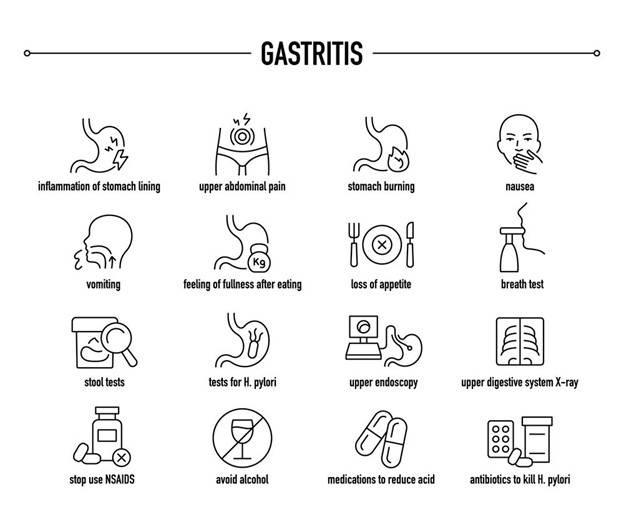
A thin stomach lining can lead to various symptoms, which may range from mild to severe. Some individuals may experience only occasional discomfort, while others may develop more significant digestive problems. Common symptoms of a thin stomach lining include:
- Stomach Pain:
One of the most common symptoms is stomach pain, which may be described as a dull ache, burning sensation, or cramping. The pain may be constant or intermittent and may worsen after eating or during periods of stress. - Bloating:
Bloating is another common symptom that can occur when the stomach lining becomes thinner. It may be accompanied by a feeling of fullness or discomfort in the abdominal area. This can lead to difficulty eating large meals and an overall sense of indigestion. - Indigestion and Heartburn:
A thin stomach lining can affect the stomach’s ability to digest food properly. As a result, individuals may experience frequent indigestion, bloating, or heartburn. This may be particularly noticeable after eating fatty, spicy, or acidic foods. - Nausea and Vomiting:
In severe cases, a thin stomach lining may lead to nausea or vomiting. If the stomach lining becomes too damaged, it may result in the formation of ulcers, which can trigger these symptoms. Vomiting blood or passing black stools may indicate bleeding ulcers and requires immediate medical attention. - Loss of Appetite:
A thin stomach lining can cause a loss of appetite, especially if there is significant discomfort after eating. This may result in unintentional weight loss, which can further exacerbate the condition.
Consult a gastroenterologist in Pune for personalized treatment options.
How to Manage the Thinning of the Stomach Lining?
Managing thinning of the stomach lining is crucial to prevent further damage and discomfort. While some cases may require medical intervention, there are several lifestyle changes and home remedies that can help manage the condition:
- Avoid Irritants:
One of the first steps in managing a thin stomach lining is to avoid irritants such as alcohol, smoking, and NSAIDs. These substances can exacerbate the condition and cause further damage to the stomach lining. If you need pain relief, consider consulting a doctor for alternatives that are gentler on the stomach. - Dietary Changes:
A diet rich in fiber and low in acidic, spicy, and fatty foods can help reduce irritation in the stomach. Incorporating foods like oatmeal, bananas, and ginger can promote healing of the stomach lining. Additionally, consuming smaller, more frequent meals can prevent overloading the stomach and reduce acid production. - Probiotics:
Probiotics, which are beneficial bacteria, can support gut health and help restore the balance of bacteria in the stomach. Consuming probiotic-rich foods, such as yogurt or fermented foods, may aid in healing the stomach lining and reducing inflammation. - Stress Management:
Since stress can exacerbate the condition, practicing stress-reduction techniques such as meditation, yoga, and deep breathing exercises can help manage the symptoms and prevent further damage to the stomach lining. - Medications:
In some cases, a gastroenterologist may prescribe medications to reduce stomach acid, such as proton pump inhibitors (PPIs) or H2 blockers. These medications can provide relief from symptoms and allow the stomach lining to heal. If the thinning is caused by an infection like H. pylori, antibiotics may be prescribed.
What are the Treatments for Thin Stomach Lining?
There are several treatment options for a thin stomach lining, depending on the severity of the condition and its underlying causes. Common treatments include:
- Proton Pump Inhibitors (PPIs):
PPIs are medications that reduce the amount of acid produced in the stomach. This can help prevent further irritation and allow the stomach lining to heal. PPIs are often prescribed for long-term use to manage chronic conditions like gastritis or peptic ulcers. - Antibiotics for H. Pylori:
If the thinning of the stomach lining is caused by an H. pylori infection, antibiotics may be prescribed to eradicate the bacteria. This can help reduce inflammation and allow the stomach lining to heal. - H2 Blockers:
H2 blockers are another type of medication that reduces stomach acid production. These are often used for short-term relief of symptoms associated with a thin stomach lining. - Surgery:
In rare cases, if the stomach lining is severely damaged and causes complications like bleeding ulcers or perforation, surgery may be required. This is typically a last resort when other treatments have not been effective.
When to Contact a Doctor
If you experience severe symptoms such as persistent stomach pain, vomiting blood, or passing black stools, it is important to seek medical attention immediately. These symptoms may indicate the presence of ulcers or other serious complications. Dr Ksheetij Kothari, gastroenterologist in Pune can provide a thorough evaluation and recommend the best course of treatment.
Conclusion
Thinning of the stomach lining can be a serious condition if left untreated. By understanding the causes, symptoms, and management strategies, individuals can take steps to protect their stomach health and prevent further complications. If you suspect you have a thin stomach lining, it is important to consult with a healthcare professional for proper diagnosis and treatment.