
Plenty of people struggle with indigestion after every meal—in medical lingo, that’s dyspepsia. It’s that nagging discomfort or pain in the upper belly not long after eating. Bloating, nausea, and feeling stuffed after just a few bites are all too familiar for many.
Honestly, sometimes it’s as simple as eating too fast, piling on greasy or spicy foods, or having a bit too much caffeine or alcohol. But there are times when it’s tied to bigger issues, like acid reflux (GERD), peptic ulcers, or even irritable bowel syndrome (IBS).
To get to the bottom of it, we look at your eating habits, daily routines, and any other health concerns. Dr Ksheetij Kothari, a gastroenterologist in Pune, points out that tracking when symptoms pop up and which foods set them off can really help zero in on what’s going on.
Common Triggers of Indigestion
Trigger Type | Examples |
Dietary | Fried foods, spicy dishes, carbonated drinks |
Lifestyle | Eating quickly, lying down soon after meals |
Medical | GERD, gallstones, peptic ulcers |
Sometimes, it just takes a few tweaks: eat smaller, more frequent meals, cut back on late-night snacks, and maybe dial down the booze and coffee. If nothing seems to help, though, it’s definitely time for a professional checkup—just to make sure nothing serious is brewing.
If the discomfort keeps hanging around, seeing someone like Dr Ksheetij Kothari can make all the difference. Getting the right diagnosis is key.
Let’s be honest—feeling heavy or bloated after every meal can really drag you down. Indigestion after every meal usually means there’s a real digestive issue that needs more than just a quick fix. If this keeps happening, it’s worth digging deeper into what’s happening inside your gut. That’s usually the first step to finally feeling better.
At our Pune clinic, we see this all the time. As a leading gastroenterologist in Pune, Dr Ksheetij Kothari (MBBS, MD, DM Gastroenterology) works to figure out if it’s your food, stress, or something like acid reflux or gastritis causing trouble. He’s seen just about every digestive complaint you can imagine across Maharashtra, and his focus is always on real answers and practical solutions to get your digestion back on track.
This article’s here to break down why indigestion happens after every meal, which symptoms you should actually pay attention to, and what you can do about it. And if you’re wondering when to bring in the experts, we’ll cover that too—because sometimes, you need a plan that goes beyond antacids.
Why Am I Getting Indigestion Every Time I Eat?
If you’re getting indigestion after almost every meal, it’s usually your body’s way of saying something’s off—whether it’s food choices, stress, or something medical. Dyspepsia is the fancy term, but really, it’s just that upper belly discomfort, sometimes with bloating, nausea, or a bit of burning.
Let’s face it: overeating, eating too fast, or going heavy on fatty, spicy, or acidic foods are all common culprits. Sometimes there’s no obvious reason—lifestyle and diet just play a big role.
But sometimes, it’s not just about what you eat. Things like gastro-oesophageal reflux disease (GERD), peptic ulcers, or gastritis can make indigestion stick around. Even some meds, like anti-inflammatories, can mess with your stomach lining.
Possible Cause | Example or Trigger | What May Help |
Eating habits | Large or late-night meals | Eat smaller, frequent meals |
Food choices | Fried, spicy, or acidic foods | Identify and avoid trigger foods |
Lifestyle factors | Stress, smoking, alcohol | Practise relaxation, quit smoking |
Medical issues | GERD, ulcers, gastritis | Consult a gastroenterologist |
So, what can you do? Try switching up your eating patterns, cut back on caffeine and alcohol, and find ways to manage stress. But if you’ve tried all that and you’re still suffering, it’s probably time to get checked out by a specialist.
What Are the Symptoms of Indigestion After Every Meal
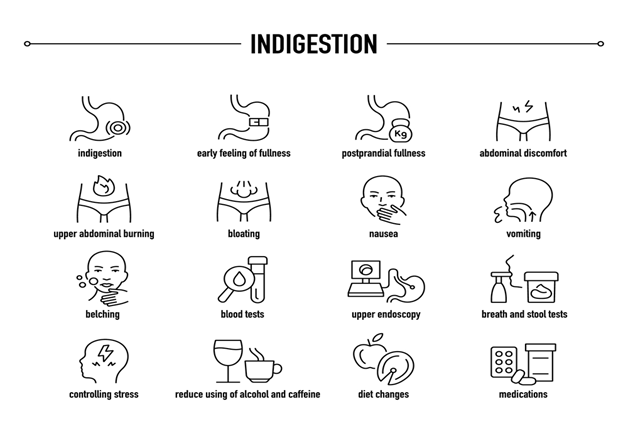
If indigestion hits after every meal, you’ll usually notice the discomfort in your upper belly. It might burn, feel uncomfortably full, or just ache—not exactly the best way to finish lunch or dinner. How bad it gets can totally depend on what you eat and your digestive health overall.
Typical symptoms look like this:
- Early satiety – you’re full after just a few bites.
- Bloating or that tight, stretched feeling in your stomach.
- Burping or sometimes food and acid coming back up.
- Nausea or just a vague queasiness.
- Heartburn, especially after something spicy or a big meal.
Some folks notice things get worse if they eat too fast or load up on fatty, greasy, or acidic foods. Ongoing indigestion can mean pain or discomfort that lingers well after you’re done eating.
Symptom | Description |
Fullness | Lasts longer than expected after meals |
Pain or burning | Felt between the breastbone and navel |
Bloating | Stomach feels swollen or tight |
Nausea | Mild sickness or urge to vomit |
Sometimes people mix up indigestion with heartburn or acid reflux; both can show up together, but indigestion is more about the upper belly than the chest.
Common Food Triggers That Can Cause Indigestion
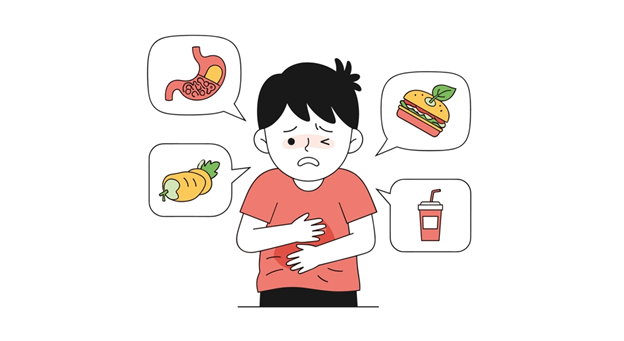
We see it all the time—certain foods just don’t sit well with some folks. Figuring out which ones are your troublemakers is half the battle when it comes to better digestion.
- Fatty and Fried Foods
Meals loaded with fat slow down your stomach, so you end up bloated or dealing with acid reflux. Swapping fried stuff for grilled or steamed is usually a smart move. These foods can even weaken the muscle that keeps stomach acid where it belongs. - Spicy Dishes
Chillies, pepper, and other spicy ingredients can leave your stomach irritated and ramp up acid production. If you love spice, maybe try dialing it back or balancing things out with calming herbs like mint or fennel. - Caffeinated and Carbonated Drinks
Coffee, tea, and fizzy drinks can be a recipe for gas or reflux. They tend to boost stomach acid and loosen the sphincter at the top of your stomach. Herbal teas—think chamomile or ginger—are often gentler if you’re sensitive. - Overeating or Eating Too Quickly
Big meals or wolfing down food overloads your stomach, causing that familiar pressure and indigestion. Mindful eating—slowing down and stopping when you’re satisfied—can actually help a lot, as ACE Gastro notes.
Common Trigger | Typical Effect on Digestion |
Fatty foods | Slow digestion, reflux |
Spicy foods | Stomach irritation |
Caffeine/fizzy drinks | Increased acid, bloating |
Overeating | Fullness, discomfort |
Medical Conditions Linked to Frequent Indigestion
Frequent indigestion can be a sign of an underlying gastrointestinal disorder that shouldn’t be brushed off. In our field of gastroenterology, we try to dig a little deeper—sometimes it’s a functional quirk, sometimes it’s a structural issue, but either way, it’s worth a closer look.
Some usual suspects? Gastroesophageal Reflux Disease (GERD), peptic ulcers, and chronic gastritis. These can throw your upper digestive tract out of whack, leaving you with that all-too-familiar burning, bloating, or just a nagging discomfort after eating. The Mayo Clinic points out that sometimes it’s delayed stomach emptying or just a hypersensitive stomach lining making things worse. Isn’t it wild how many ways the gut can protest?
Now and then, indigestion ties back to liver diseases or pancreatic disorders—not always obvious at first glance. In our clinic, we lean on advanced diagnostic tools like endoscopy and ERCP (Endoscopic Retrograde Cholangiopancreatography) to get a clear picture of what’s happening with the bile duct or pancreas. Sometimes, it’s those behind-the-scenes players causing all the drama.
We can’t ignore systemic conditions, either. Things like diabetes or thyroid problems—classic topics in internal medicine—can quietly throw off digestion. Pinpointing these factors lets us put together a plan that actually works for you, not just the textbook version.
Condition | Possible Link to Indigestion | Diagnostic Approach |
GERD | Acid reflux irritating the oesophagus | Endoscopy |
Peptic Ulcer | Stomach or duodenal lining erosion | Upper GI endoscopy |
Liver Disease | Impaired bile production and digestion | Liver function tests |
Enzyme imbalance affecting digestion | ERCP, imaging scans |
By using advanced endoscopic procedures, we aim to get to the bottom of what’s causing your indigestion and help you finally find some long-term relief. It’s not always simple, but it’s worth it.
What Are the Causes of Indigestion After Every Meal?
Plenty of people walk in telling us they feel heavy or uncomfortable after almost every meal. This ongoing indigestion—or dyspepsia, if you want the technical term—can really mess with your day. What’s behind it? Sometimes it’s just the way we eat, but there’s often more to the story.
Common lifestyle causes include:
Overeating or eating too quickly
Wolfing down big meals or barely chewing? That’s a fast track to bloating and stomach pain.
High-fat or spicy foods
A love for oily or spicy dishes can slow things down in your stomach and spark that burning feeling.
Caffeine and carbonated drinks
Fizzy sodas, coffee, even tea—these can relax the lower oesophageal sphincter, letting acid sneak up and cause trouble
Smoking and alcohol
Both can mess with digestion and irritate your stomach lining. Not exactly a surprise, right?
Acid reflux, peptic ulcers, or gastritis are also common culprits. Even a small meal can feel like a brick if your gut isn’t happy.
Don’t forget about stress and anxiety. When we’re tense, our gut slows down, and symptoms can get worse. It’s like your stomach knows when you’re on edge—annoying, but true.
Possible Cause | Typical Effect on Digestion |
Overeating | Stomach stretching and delayed emptying |
Fatty foods | Heaviness and acid reflux |
Stress | Slower digestion and nausea |
Smoking | Reduced saliva and increased acid |
Once we figure out what’s setting things off, it gets a lot easier to manage symptoms and get you feeling better day to day. Sometimes it’s a simple fix—sometimes not so much, but there’s always something we can try.
How Do I Stop Indigestion After Every Meal?

Honestly, a few tweaks to how and what you eat can make a world of difference. Slow down—really chew your food. When you eat fast, you’re gulping down air and giving your stomach way too much to handle at once. No wonder you feel bloated.
Try not to lie down right after eating. Staying upright for a couple of hours helps food move along and keeps acid where it belongs. Sitting up after meals can make a real difference. It’s not rocket science, but it works.
Usual triggers like spicy, fatty, or acidic foods tend to make things worse. If you’re not sure what’s bothering you, a food diary can help you spot patterns. The GoodRx guide suggests cutting back on caffeine and alcohol too—your stomach will thank you.
Helpful Habits | Why They Work |
Eat smaller, more frequent meals | Reduces stomach pressure |
Wear loose clothing | Prevents abdominal compression |
Limit fizzy drinks | Minimises gas and bloating |
Manage stress | Lowers digestive tension |
Don’t underestimate the power of peppermint or ginger tea—sometimes those old-school remedies really do help. LifeCareCure even has some doctor-approved tips if you want to get creative with herbal options.
If you’ve tried all this and you’re still struggling, don’t just tough it out—get it checked. Conditions like gastritis or GERD can fly under the radar, and it’s better to be safe than sorry.
When to Worry About Indigestion?
Let’s be real—everyone gets a bit of indigestion now and then, especially after a big meal. But if it’s hanging around or hitting hard, it might be time to pay attention.
There are a few warning signs that mean it’s worth talking to a gastroenterologist. If you’re seeing any of these, don’t wait it out:
Pain that sticks around or keeps getting worse after eating
Bloating, nausea, or vomiting that just won’t settle
Unexplained weight loss or a sudden loss of appetite
Blood in vomit or stools (never normal!)
Pain paired with fever or feeling wiped out
Symptom | Possible Concern |
Sharp upper abdominal pain | Peptic ulcer or gallstones |
Burning sensation in chest | Gastro-oesophageal reflux disease (GERD) |
Fullness after small meals | Gastric outlet obstruction |
Recurrent bloating and cramps | Irritable bowel syndrome (IBS) |
If indigestion crops up after every meal, conditions like GERD, peptic ulcers, or food intolerances could be behind it. As Dr Ksheetij Kothari notes, getting checked sooner rather than later can help you avoid bigger problems down the line.
Need more info on what might be causing your post-meal pain? Check out Dr Ksheetij Kothari’s overview on abdominal pain after eating. And remember, if symptoms keep coming back, don’t just hope for the best—let a specialist take a look.
Conclusion
Frequent indigestion after meals—yeah, it can really throw a wrench in your day. Most of the time, it’s tied to things you can actually control, like what you eat, how fast you eat, or whether certain foods just don’t agree with you. Sometimes, of course, there’s more going on beneath the surface, but catching the cause early means you’re way more likely to get real relief that lasts.
Here at our clinic, we’re all about nailing the diagnosis and offering care that actually fits you. Depending on what’s happening, we might suggest some tests, a tweak to your meals, or the right meds. And honestly, having a seasoned gastroenterologist like Dr Ksheetij Kothari in your corner? That’s a huge plus—there’s just no substitute for solid, evidence-based advice.
Some straightforward lifestyle tweaks could help more than you’d think:
Go for smaller, balanced meals.
Try not to crash on the couch right after eating.
Cut back on super fatty, spicy, or processed stuff.
Drink enough water and try to keep stress in check—easier said than done, right?
Common Trigger | Suggested Adjustment |
Overeating | Eat smaller portions |
Fatty foods | Choose low-fat alternatives |
Rapid eating | Chew slowly and mindfully |
Dairy or gluten intolerance | Identify and avoid triggers |
If you’re stuck with ongoing discomfort, don’t just tough it out or reach for random remedies—get checked out. The right help, at the right time, can honestly make all the difference for your gut health.
Let’s clear some common doubts so you can proceed with more clarity …
FAQs
Can ulcerative colitis cause a miscarriage?
While mild UC rarely leads to miscarriage, uncontrolled inflammation and dehydration can increase the risk. Staying in remission and managing flares early greatly reduces this possibility.
Can I pass ulcerative colitis to my baby?
UC isn’t directly inherited. However, genetic predisposition plays a role—your child may have a slightly higher risk, but lifestyle and environment matter far more.
Can ulcerative colitis affect your uterus?
UC primarily affects the colon, not the uterus. However, chronic inflammation and medications can influence hormonal balance or fertility temporarily.
Is breastfeeding safe with UC medications?
Yes, many UC drugs are compatible with breastfeeding. Always consult your doctor to confirm which medications are safe postpartum.
What can help prevent UC flare-ups during pregnancy?
Stay consistent with medications, maintain a nutrient-rich diet, manage stress, and attend regular prenatal and gastroenterology appointments. These steps can prevent most flare-ups effectively.
References:
https://my.clevelandclinic.org/health/diseases/10351-ulcerative-colitis
https://www.webmd.com/ibd-crohns-disease/ulcerative-colitis/uc-pregnancy-faqs
Disclaimer: The information shared in this content is for educational purposes only and not for promotional use.