
Stage 1 liver failure is when the liver starts to have problems doing its function. Usually the damage is not bad enough to cause very serious symptoms. Doctor Ksheetij Kothari, a doctor for stomach problems in Pune says that if we find and treat liver failure early it can make a big difference. We can stop it from getting worse.He emphasizes that stage 1 liver failure is manageable if diagnosed early, making regular checkups and awareness of symptoms essential.
Dr. Ksheetij Kothari is an experienced gastroenterologist in Pune who specializes in liver-related issues and endoscopic procedures. With extensive experience in treating conditions like stage 1 liver failure, Dr. Kothari’s clinic is a trusted resource for patients seeking accurate diagnosis and effective treatment. As one of the best gastroenterologists in Pune, Dr. Kothari’s expertise in liver health ensures comprehensive care for his patients at every stage of liver disease.
What Happens in Stage 3 Liver Cirrhosis?
At Stage 3, liver cirrhosis is marked by pronounced scarring of the liver. The organ’s tissue is increasingly supplanted by scar tissue, leading to a disruption of its normal structure and operations. This stage is often referred to as “severe cirrhosis.” While the liver retains some functional capabilities at this point, the damage is extensive enough to cause serious symptoms and complications, which may include:
- – Accumulation of fluid in the abdomen (ascites)
- – Swelling in the legs
- – Jaundice (yellowing of the skin and eyes)
- – Fatigue
- – Unexplained weight loss
- – Confusion, which may escalate to hepatic encephalopathy
It is crucial to seek medical attention at this stage to prevent further deterioration and manage symptoms effectively. If you are experiencing any of these symptoms, contact Dr. Ksheetij Kothari, a highly experienced gastroenterologist in Pune, for a thorough evaluation and management plan.
Symptoms of Stage 3 Liver Cirrhosis
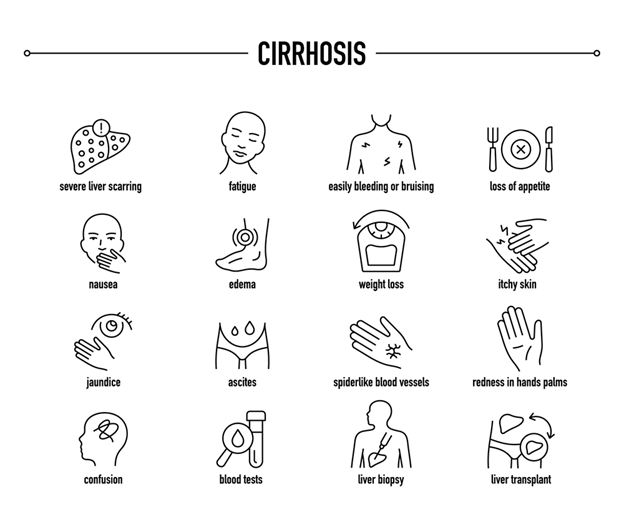
As liver cirrhosis progresses to Stage 3, patients may experience the following symptoms:
- Jaundice: A yellowish hue in the skin and eyes caused by a buildup of bilirubin.
- Ascites: The presence of excess fluid in the abdominal area, resulting in a distended and swollen belly.
- Edema: Swelling in the ankles and legs due to the retention of fluids.
- Varices: Enlarged veins in the esophagus and stomach, which may rupture and lead to bleeding.
- Mental Confusion: Hepatic encephalopathy, a state where toxins accumulate in the brain because of liver impairment, causing disorientation, memory issues, and changes in behavior.
- Fatigue: Profound tiredness and weakness, hindering the ability to carry out everyday activities.
- Weight Loss: Involuntary loss of weight stemming from the liver’s diminished capacity to process nutrients.
If you notice these symptoms, it is important to consult Dr. Ksheetij Kothari for a comprehensive evaluation and tailored treatment plan.
Schedule an appointment with Dr. Ksheetij Kothari today for a personalized liver health consultation.
Causes of Stage 3 Liver Cirrhosis
Stage 3 liver cirrhosis develops after years of liver damage, and various factors contribute to the progression of this disease. Some of the common causes include:
- Chronic Alcohol Use: Excessive alcohol consumption is one of the leading causes of liver cirrhosis. It damages liver cells and leads to fibrosis (scarring) over time.
- Hepatitis B and C: Chronic viral infections can damage the liver and cause cirrhosis if not treated effectively.
- Non-Alcoholic Fatty Liver Disease (NAFLD): This condition, often linked to obesity and diabetes, causes fat to accumulate in the liver, which can lead to inflammation and cirrhosis.
- Genetic Disorders: Conditions like hemochromatosis are when our body has a lot of iron.Then there is Wilson’s disease, which is when our body has too much copper. Both of these conditions can really hurt our liver.
- Chronic Bile Duct Obstruction: Conditions such as primary biliary cirrhosis or primary sclerosing cholangitis cause damage to the bile ducts, leading to cirrhosis.
Understanding the root cause of liver cirrhosis is essential in determining the best approach to treatment. Dr. Ksheetij Kothari can conduct tests to identify the underlying cause and offer the most effective treatment.
How to Manage Stage 3 Liver Cirrhosis
Managing Stage 3 liver cirrhosis needs a multi-faceted approach that involves lifestyle changes, medication, and regular monitoring. Following are key strategies:
- Dietary Modifications: A liver-friendly diet is important. Dr. Ksheetij Kothari says salt intake should be reduced to manage fluid retention in your body, eating smaller meals more frequently, and avoiding alcohol.
- Medications: Doctors may prescribe medications to control complications such as ascites, varices, and hepatic encephalopathy.
- Weight Management: Maintaining a healthy weight can reduce pressure on the liver and reduce the progression of cirrhosis.
- Monitoring: Regular check-ups and monitoring of liver function through blood tests and imaging are important to track disease progression and manage complications.
- Liver Transplantation: In serious cases, when the liver’s function is no longer repairable, a liver transplant may be the option. Dr. Ksheetij Kothari can guide you through this process if necessary.
What Are the Treatments for Stage 3 Liver Cirrhosis?
Treatment for Stage 3 liver cirrhosis focuses on managing symptoms and preventing complications. Some treatment options include:
- Medications for Ascites and Edema are really important. Doctors will often give people Diuretics to help with Ascites and Edema. These Diuretics are supposed to get rid of fluid in the body. This helps reduce the buildup that comes with Ascites and Edema.
- Endoscopic procedures are a way to deal with bleeding varices. They can help stop the bleeding. When we talk about bleeding varices, endoscopic procedures are one of the options that doctors use to treat them. So for bleeding varices these procedures can be done to stop the bleeding.
- Liver Transplant:A liver transplant is usually the thing that can help when your liver function is severely impaired. So a liver transplant may be the option for people with very bad liver problems.
- Antiviral medications are good for people who have cirrhosis because of hepatitis. These medications help stop the virus from causing problems and prevent the liver from getting damaged even more. Antiviral medications can really help control the infection and keep the liver safe from damage due to viral hepatitis.
- Liver Support Therapy is really helpful. It can give people some relief when they are not feeling well. Sometimes doctors use things, like hepatocyte transplantation or liver dialysis to help the Liver Support Therapy work better.
Dr. Ksheetij Kothari can assess your condition and recommend the most appropriate treatment options tailored to your needs.
When to See a Doctor

You should go to see a doctor soon as you notice something is wrong with your liver. This could be things like your skin turning yellow which is called jaundice. You might get swelling, You could also feel really tired all the time.
If you already have liver cirrhosis you need to go to the doctor regularly . The doctor will check to see how well your liver is working and help you with any problems that come up with liver cirrhosis.Liver cirrhosis can cause a lot of issues so it’s better to keep an eye on it. Regular check-ups with your doctor are very important when you have liver cirrhosis.Dr. Ksheetij Kothari, a trusted gastroenterologist in Pune, can offer a personalized treatment plan to help manage your liver health.
Conclusion
Stage 3 liver cirrhosis is a serious condition that requires careful management to prevent further damage and complications. With early intervention, lifestyle modifications, and appropriate treatments, it is possible to manage the symptoms and improve quality of life. If you or a loved one is suffering from liver cirrhosis, don’t hesitate to consult Dr. Ksheetij Kothari, a leading gastroenterologist in Pune, for expert advice and treatment.
FAQs
1. Can Stage 3 liver cirrhosis be reversed?
While Stage 3 liver cirrhosis cannot be completely reversed, with appropriate treatment, its progression can be slowed, and symptoms can be managed.
2. How long can someone live with Stage 3 liver cirrhosis?
Life expectancy depends on the severity of the cirrhosis, the presence of complications, and the effectiveness of treatment. With proper care, patients can live for many years.
3. Is a liver transplant necessary for Stage 3 liver cirrhosis?
A liver transplant may be necessary if the liver function deteriorates significantly and other treatments are not effective.
4. What are the signs that cirrhosis is getting worse?
Worsening symptoms may include increasing fatigue, confusion, swelling in the abdomen or legs, or signs of bleeding from varices. If you notice any of these, consult your doctor immediately.