
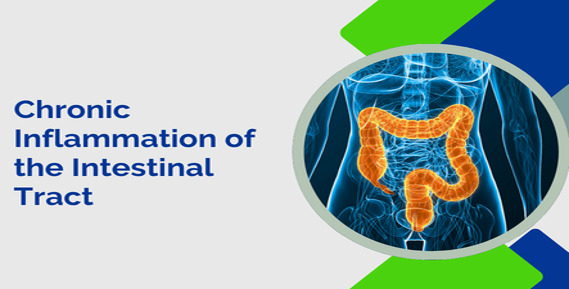
Chronic inflammation of the intestinal tract is persistent immune activity in the gut lining that lasts months or years. It covers conditions like Crohn’s disease, ulcerative colitis, and chronic infections. Left unchecked, it damages the bowel wall, disrupts nutrient absorption, and raises the risk of long-term complications.
According to Dr. Ksheetij Kothari, a senior Gastroenterologist in Pune, “Ongoing gut inflammation rarely announces itself loudly. It’s the slow, repeated symptoms people learn to ignore that often point to something that needs proper evaluation.”
Pinning down the cause usually takes a mix of blood work, stool studies, and endoscopy rather than a single test.
Signs and Symptoms That May Indicate Ongoing Intestinal Inflammation
Early signs are easy to brush off because they come and go. The pattern matters more than any single episode. Symptoms that keep returning over weeks deserve a closer look.
- Persistent diarrhoea: Loose stools lasting weeks, sometimes with urgency or night-time trips
- Blood or mucus in stool: A warning sign at any age, even in small amounts
- Abdominal pain and cramping: Often in the lower belly, worse around meals or bowel movements
- Unexplained weight loss: Dropping kilos without trying, often from poor absorption
- Fatigue: A deep tiredness linked to anaemia and ongoing inflammation
- Reduced appetite: Eating less because food triggers discomfort
One thing patients miss often: feeling tired all the time isn’t just stress. Chronic gut inflammation drains iron and nutrients quietly. When symptoms keep returning, confirmed cases are managed with structured inflammatory bowel disease treatment tailored to the cause.
Beyond the Gut: How Chronic Intestinal Inflammation Affects Overall Health
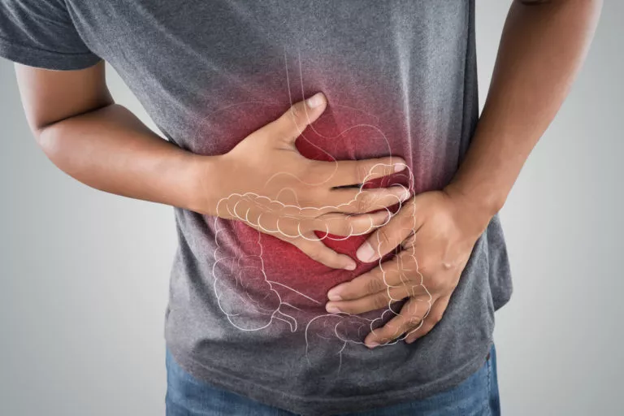
Intestinal inflammation doesn’t stay in the intestines. When the gut lining stays inflamed, the effects ripple out across the whole body.
- Anaemia: Blood loss and poor iron absorption leave you breathless and pale
- Joint pain: Inflammatory arthritis can flare alongside gut symptoms
- Skin and eye problems: Rashes, mouth ulcers, and eye redness sometimes appear
- Bone weakness: Long-term inflammation and steroid use thin the bones over time
- Nutrient deficiencies: Low vitamin B12, vitamin D, and protein from impaired absorption
- Mental health strain: Living with unpredictable symptoms wears people down
The gut-body link surprises people. A skin rash or aching joints can be the first clue that something deeper is going on inside the bowel. Years of uncontrolled inflammation also raise the long-term risk of a tumor in the large intestine, which is one reason ongoing monitoring matters so much.
Preventing Complications Through Early Diagnosis and Long-Term Management
Catching inflammation early changes the outlook completely. The goal is to confirm the cause, control the inflammation, and keep it from coming back.
- Blood and stool tests: Inflammatory markers, anaemia, and faecal calprotectin point to active disease
- Endoscopy and colonoscopy: Direct views with biopsies remain the most reliable way to confirm
- Imaging: MR enterography assesses the small bowel without radiation
- Medication: Aminosalicylates, immunomodulators, and biologics control flares and maintain remission
- Diet and lifestyle: Trigger tracking, balanced nutrition, and quitting smoking all help
- Regular monitoring: Ongoing follow-up catches relapses before they cause damage
Here’s a quick guide to how chronic intestinal inflammation is typically worked up:
| Stage | What’s Involved |
| First visit | Symptom history, blood tests, stool calprotectin |
| Within 2 to 4 weeks | Stool cultures, infection screen, abdominal ultrasound |
| Confirmation | Colonoscopy with biopsy, imaging if needed |
| Long-term | Maintenance therapy, diet review, periodic monitoring |
The scope itself is part of the clinic’s endoscopic services, so most of the workup happens in one place.
Dealing with gut symptoms that keep coming back? Book a consultation with one of Pune’s leading gastroenterologists today. – Book an appointment
Patients across Pune trust Dr. Ksheetij Kothari for complex inflammatory bowel cases, thanks to his advanced endoscopy and biopsy experience and steady follow-up. A consultant at Sahyadri Hospital with a DM in Gastroenterology and fellowship training in advanced endoscopy, he focuses on controlling inflammation early before it leads to lasting damage.
Worried about ongoing intestinal inflammation? Book a gastroenterology consultation today. – Book an appointment
FAQs
What causes chronic inflammation in the intestines?
Common causes include Crohn’s disease, ulcerative colitis, chronic infections, and immune-related conditions affecting the gut lining.
Can chronic intestinal inflammation be cured?
Most cases aren’t permanently cured, but inflammation can be controlled long-term with medication and monitoring.
Is chronic gut inflammation dangerous if ignored?
Yes. Untreated inflammation can cause anaemia, bowel damage, and a higher risk of complications over time.
How is intestinal inflammation diagnosed?
Through blood tests, stool calprotectin, and colonoscopy with biopsy to confirm the cause and extent.
Does diet affect intestinal inflammation?
Diet doesn’t cause it, but trigger foods can worsen symptoms and good nutrition supports recovery.