
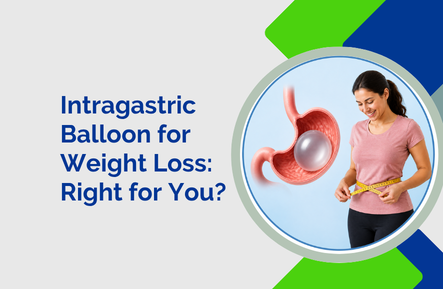
Gastric balloon isn’t surgery and it isn’t a diet plan. It sits between the two. A silicone balloon goes into the stomach endoscopically, gets filled with saline, and stays there for 6 months. The stomach now has less room. Meals that used to feel normal start feeling too big after half the plate. That forced portion reduction, done consistently over 6 months, produces 10 to 15 percent total body weight loss for most patients. The catch is what happens after the balloon comes out. Take it out without having changed anything about how you eat and the weight comes back. The balloon creates the window. The patient has to use it.
According to Dr. Ksheetij Kothari, a Gastroenterologist in Pune, “The patients who do well with a gastric balloon are the ones who treat it as a reset, not a solution. Six months of enforced portion control only matters if the eating behaviour changes alongside it.”
Who It Works For and What the Procedure Involves?
BMI 30 to 40, diet and exercise not enough: Structured eating plans and exercise programmes work for a lot of people. For some they don’t, and it’s not always a willpower issue. The balloon puts a physical constraint on stomach capacity that no diet can replicate. For this group genuinely tried, genuinely not enough the results are consistent.
Pre-surgery weight reduction: Patients heading toward sleeve gastrectomy or bypass with a very high BMI sometimes need to lose weight before the operation itself becomes safe. The balloon handles that job without adding another major surgical procedure to the sequence.
Metabolic improvement alongside weight loss: Blood sugar, blood pressure, and lipid levels often improve in balloon patients before significant weight is even lost. For someone with early type 2 diabetes or metabolic syndrome, that early metabolic shift has real clinical value.
The procedure itself: Conscious sedation, 20 to 30 minutes, home the same day. A deflated balloon passes through the mouth via endoscope, sits in the stomach, gets filled with 400 to 700 ml of saline. The first 3 to 5 days are rough nausea, cramping, a persistent sense of fullness. Medications help. Most people are back to normal within a week. At 6 months, removal works the same way in reverse.
Read about Our full range of endoscopic services including therapeutic endoscopic procedures,is outlined on the services page.
Who It Doesn't Work For and Why?
Not every patient in the 30 to 40 BMI range is a good fit. Some are ruled out for medical reasons. Others fail not because the balloon doesn’t work but because the conditions for it to work aren’t there.
Medical rules-outs: Hiatus hernia over 5 cm, previous upper GI surgery that changed stomach anatomy, active peptic ulcer, IBD in the upper GI tract, severe uncontrolled reflux, clotting disorders, anticoagulation that can’t be paused, pregnancy. A pre-procedure endoscopy catches most of these before any decision is locked in.
Wrong weight loss expectation: The balloon delivers 10 to 15 percent total body weight loss. Bariatric surgery delivers 25 to 35 percent. Those aren’t the same number. Patients who need the bigger result and are expecting it from the balloon end up frustrated. If the target requires surgery-level outcomes, that’s the honest conversation to have upfront.
No intention to change eating behaviour: The balloon fills stomach space. It doesn’t touch food choices, drinking habits, or eating speed. Patients who consume high-calorie drinks, eat through discomfort, or opt out of the dietary programme that runs alongside the balloon tend to regain weight quickly after removal. This is the most common reason outcomes disappoint.
Active eating disorders: Binge eating disorder specifically undermines what the balloon is trying to do. Physical restriction doesn’t address the psychological driver. These patients need that addressed first, not a device placed on top of an unmanaged condition.
For more on how the gut handles changes in eating patterns and fullness signals, our blog on always feeling full and bloated covers the digestive mechanisms behind early satiety and when they indicate something worth investigating.
Why Choose Dr. Ksheetij Kothari?
Dr. Ksheetij Kothari completed his DM in Gastroenterology at St. John’s Medical College, Bangalore, with advanced fellowship training in endoscopy and EUS. Therapeutic endoscopic procedures, including intragastric balloon placement and removal, fall within the scope of his fellowship-trained practice. Pre-procedure upper GI endoscopy to confirm suitability is done at the same clinic without separate referrals.
Patient assessment for the balloon includes a full medical review, upper GI scope, dietary counselling briefing, and a realistic discussion of expected outcomes before any decision is made. Patients who aren’t suitable candidates are told that clearly, with alternatives discussed rather than the procedure pushed regardless.
Book a Consultation today to learn if an intragastric balloon is the right weight loss solution for you.
FAQs
Who is a good candidate for an intragastric balloon?
BMI between 30 and 40, diet and exercise tried properly without enough to show for it, and no appetite for surgery. It’s also placed before bariatric surgery in higher BMI patients to bring weight down first. Either way, the programme running alongside it isn’t optional. Skip that and the weight comes back.
How much weight can you lose with an intragastric balloon?
10 to 15 percent of total body weight over 6 months is the typical range. The balloon makes smaller meals feel filling by reducing stomach capacity. After it comes out, that physical constraint is gone. Patients who haven’t built new eating habits during the balloon period tend to regain the weight within 12 months.
Is the intragastric balloon procedure painful?
Not during placement that’s done under sedation Days 1 to 5 after are uncomfortable. Nausea, cramping, a constant full feeling. It’s predictable and manageable with medication, but patients should expect it. By day 7 most people are eating normally in small quantities and back to regular activity.
Who should not get an intragastric balloon?
Large hiatus hernia, prior upper GI surgery, active stomach ulcer, severe reflux, clotting issues, pregnancy these are medical disqualifiers. Equally poor candidates: anyone expecting bariatric-level weight loss, or anyone not willing to change what they eat. The device does half the work. The patient does the other half.
Disclaimer
This blog is for educational and informational purposes only and is not a substitute for professional medical advice, diagnosis, or treatment. Please consult a qualified gastroenterologist or healthcare professional for guidance specific to your symptoms, risk factors, and individual medical history.