
A stomach ache after drinking alcohol is easy to brush off as “just acidity” or a bad hangover. Sometimes, that may be true. But if the pain keeps coming back, feels unusually sharp, or is linked with vomiting, bloating, burning, or pain going to the back, your digestive system may be trying to warn you about something more serious.
According to Dr. Ksheetij Kothari, a senior Gastroenterologist in Pune,
“A single episode of stomach discomfort after heavy drinking may settle, but repeated pain after alcohol should not be treated casually. The pattern of pain often gives us important clues about gastritis, ulcers, reflux, or pancreatic inflammation.”
Symptoms That May Accompany Alcohol-Related Stomach Pain
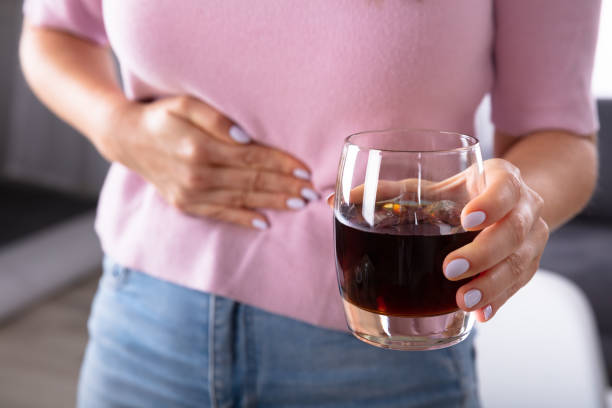
When someone complains of stomach pain after drinking alcohol, it is not likely to be a solitary symptom of the problem. In addition to the discomfort you may experience a variety of symptoms, depending on the effects of the alcohol on your digestive system.
Common symptoms include:
- Burning sensation in the upper abdomen that can occur as if with acidity or indigestion.
- Acid reflux/heartburn due to stomach acid traveling back up into the food pipe.
- After drinking, nausea and/or vomiting.
- Gas and bloating causing an unpleasantly full feeling.
- Irritation of the lining of the stomach causes a loss of appetite.
- When eating or drinking leads to loose stools or diarrhoea.
Doctors often focus on the location of the pain first, as it can provide important clues about the underlying cause. A burning sensation in the upper abdomen may point towards gastritis or acid reflux. However, severe pain that spreads towards the back, particularly when accompanied by nausea or vomiting, may suggest a problem involving the pancreas.
Recurring stomach pain after alcohol isn’t normal. Seek an expert digestive health evaluation.
Risks and Complications of Ignoring Persistent Stomach Pain
A one-time stomach upset may settle with rest, hydration, and avoiding alcohol for a while. But repeated pain is different. It means the digestive tract is being irritated again and again, or an existing condition is getting triggered.
- Chronic gastritis: If the stomach is chronically inflamed, it is caused by repeated exposure to alcohol.
- Peptic ulcer: Continuous irritation and acid exposure can cause the formation of a peptic ulcer.
- Bleeding from the gastrointestinal tract: bleeding from severe ulcers or erosions may result in a black stool or vomiting blood
- Damage the food pipe: Over time, repeated reflux will cause damage to the food pipe.
Alcohol can cause acute pancreatitis (inflammation of the pancreas) which can be serious. If the inflammation of the pancreas occurs over a long period of time, it can cause problems with digestion and blood sugar control.
If stomach pain is accompanied by changes in bowel habits, bleeding, weight loss, or night-time symptoms, doctors may also consider conditions such as IBS or IBD during evaluation. Dr. Kothari’s article on IBS vs IBD explains why overlapping bowel symptoms should not be casually labelled without proper assessment
Managing and Preventing Alcohol-Related Stomach Pain

If you regularly experience stomach discomfort after drinking alcohol, it’s worth paying attention to the pattern rather than simply waiting for it to pass. In many cases, a few simple lifestyle changes can help reduce irritation and prevent symptoms from becoming more frequent.
To protect your digestive system:
- Avoid drinking on an empty stomach, as food helps reduce direct irritation of the stomach lining.
- Stay hydrated by drinking water alongside alcoholic beverages.
- Limit binge drinking, which can place extra stress on the stomach and pancreas.
- Be careful with painkillers, especially anti-inflammatory medicines, as they can increase the risk of gastritis and ulcers when combined with alcohol.
- Pay attention to drinks that trigger symptoms, as some people find certain types of alcohol are harder on their stomach than others.
A simple rule to remember is this: if alcohol causes the same symptoms every time you drink, your body is trying to tell you something. Recurring pain, bloating, nausea, or a burning sensation should not be ignored, especially if the symptoms seem to be getting worse over time.
People who already have digestive conditions need to be particularly cautious. This is especially true for those with a history of pancreatitis treatment in Pune, as alcohol can trigger flare-ups and increase the risk of long-term complications.
When to Consult a Doctor
Not all alcohol-induced stomach pains are an emergency. If, however, the pain persists or intensifies, it is important not to ignore it, though. If symptoms keep recurring, it may be the result of an underlying digestive illness and should be addressed.
If you have any of these symptoms, it is important to consult a doctor:
- Recurrent stomach upset whenever or most of the time you have alcoholic beverages.
- Pain in the upper belly or abdomen that’s really bad.
- Pain that spreads towards the back
- When nausea and vomiting does not go away
- Vomiting blood
- Sticky or black stools
- Fever along with abdominal pain
The positive news is that numerous digestive conditions may be diagnosed and treated effectively when discovered in good time. Depending on your symptoms, your gastroenterologist might suggest blood tests, scans or an evaluation using advanced endoscopic services to determine the exact cause of your discomfort.
If alcohol-related stomach pain is recurring or severe, schedule a consultation for proper evaluation and treatment.
FAQs
Why does my stomach hurt after drinking alcohol?
Alcohol can irritate the stomach lining and increase acid production, which is why many people experience burning pain, nausea, or indigestion after drinking. In some cases, alcohol may also aggravate existing digestive conditions such as gastritis, acid reflux, ulcers, or pancreatitis. If the discomfort happens repeatedly, it is worth getting it evaluated rather than assuming it is just a hangover.
Is stomach pain after drinking alcohol always caused by acidity?
Not necessarily. Acidity is one of the most common reasons for stomach discomfort after alcohol, but it is not the only one. Gastritis, peptic ulcers, gallbladder issues, pancreatic inflammation, and even certain liver conditions can cause similar symptoms. The location of the pain and any associated symptoms often help doctors determine the underlying cause.
When should I be concerned about stomach pain after drinking?
You should seek medical advice if the pain is severe, keeps returning, or does not improve after avoiding alcohol. Warning signs such as pain that spreads to the back, vomiting blood, black stools, fever, jaundice, or persistent vomiting should never be ignored, as they may indicate a more serious digestive problem.
Can alcohol cause gastritis?
Yes. Alcohol can irritate and inflame the protective lining of the stomach, leading to a condition known as gastritis. People with gastritis often experience a burning sensation in the upper abdomen, bloating, nausea, vomiting, loss of appetite, or discomfort after meals. Frequent alcohol consumption can make these symptoms worse over time.
Disclaimer
This blog is for educational and informational purposes only and is not a substitute for professional medical advice, diagnosis, or treatment. Please consult a qualified gastroenterologist or healthcare professional for guidance specific to your symptoms, risk factors, and individual medical history.