
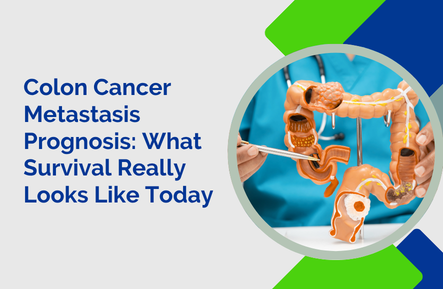
A diagnosis of metastatic colon cancer feels like the ground has shifted, and the first question most people ask is the hardest to ask out loud: how long? The honest answer is that colon cancer metastasis prognosis is no longer a single number. It depends on where the cancer has spread, how much has spread, the molecular fingerprint of the tumour, and how the body responds to treatment. Some patients are cured. Many live for years with well-controlled disease. A few have very limited time. Knowing which group you are likely in requires more than a stage number.
This guide answers the questions that actually matter after a stage IV diagnosis: the real survival numbers in 2026, how each metastasis site changes the outlook, which treatments move the needle, and the prognostic factors your oncologist weighs before giving you a timeline. It draws on the clinical experience of Dr. Ksheetij Kothari, a senior gastroenterologist in Pune who manages colorectal cancer cases through advanced endoscopy, biopsy staging, and multidisciplinary coordination.
Survival Rates in 2026: The Numbers That Matter
Stage IV colon cancer survival has changed dramatically in the last two decades. In the 1990s, median survival for metastatic colorectal cancer was 6 to 12 months. Today, with modern chemotherapy combined with targeted drugs and immunotherapy, median overall survival has reached 30 to 36 months across most trials. Patients with limited, surgically removable metastases do far better than that.
Current Survival Figures
- Liver-only metastases that can be resected: 40 to 60% five-year survival after surgery
- Lung-only metastases that can be resected: 35 to 60% five-year survival after metastasectomy
- Unresectable stage IV on chemotherapy plus biologics: 24 to 36 months median survival, with many patients going longer
- MSI-high tumours treated with immunotherapy: Durable responses lasting several years, with some patients still cancer-free at 5 years
- BRAF V600E mutant metastatic disease: Historically 12 to 18 months, now improved with encorafenib-cetuximab regimens
Why the old numbers are misleading: Most survival statistics available online come from patients diagnosed between 2010 and 2015. Drugs approved after that pembrolizumab for MSI-high disease, encorafenib for BRAF-mutant disease, fruquintinib, trifluridine-tipiracil are not yet reflected in those figures. Real-world outcomes in 2026 are consistently better than the old published averages.
How the Site of Spread Changes Your Prognosis
Where colon cancer spreads matters as much as whether it has spread. The same tumour that lands in the liver carries a very different outlook from one that lands in the peritoneum. Here is what each common site means for long-term survival.
Persistent diarrhoea: More than 3 watery stools daily, lasting beyond 2 weeks
Severe abdominal pain: Sharp upper-right pain like the original gallstone attack
Yellowing of skin or eyes: Can signal a retained stone or bile leak
Fever with chills: Often points to bile system infection (cholangitis)
Dark urine and pale stools: Suggests blocked bile flow
Persistent nausea or vomiting: May indicate ongoing digestive imbalance or a complication requiring evaluation
One thing worth mentioning: if you feel worse after initially feeling better, that pattern usually means something needs imaging.
Causes of Indigestion After Gallbladder Removal
Several mechanisms drive post-surgery digestive trouble. Identifying the cause shapes the treatment plan.
Liver Metastasis — The Most Treatable
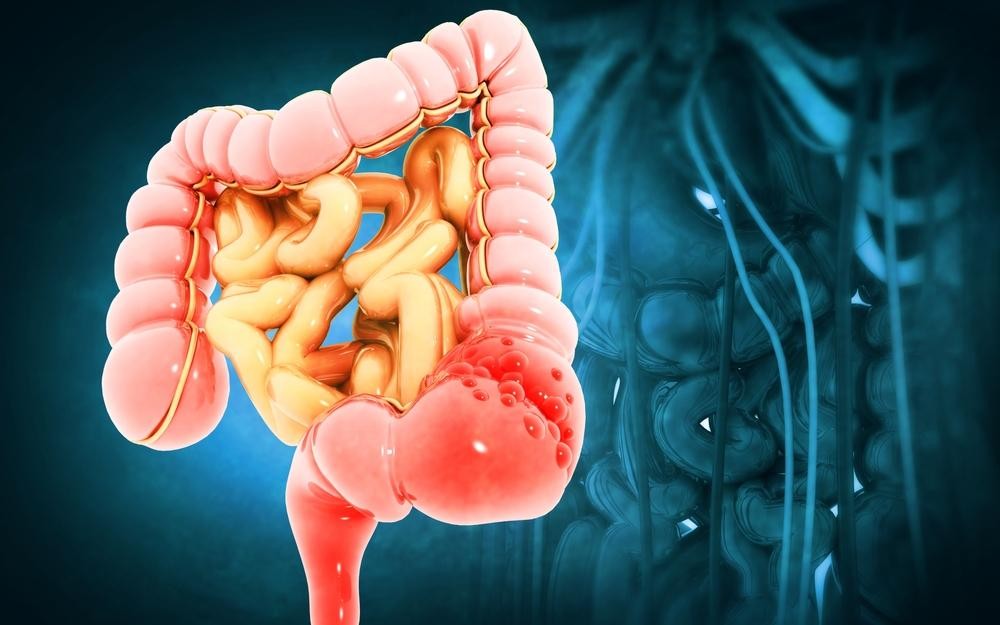
The liver is the single most common metastasis site, accounting for roughly half of all metastatic colorectal cancer cases. Blood drains from the colon straight into the liver through the portal vein, so it is the first filter tumour cells encounter. Paradoxically, this also makes the liver the most treatable metastasis site. If the lesions are limited in number and can be surgically removed, long-term survival jumps to 40 to 60% at five years, and some patients are cured outright.
Lung Metastasis — Often Resectable
Between 10 and 20% of patients develop lung metastases, usually after liver involvement or occasionally as isolated deposits. Isolated lung metastases are often amenable to surgical resection, and survival after pulmonary metastasectomy is comparable to liver resection in carefully selected patients.
Peritoneal Metastasis — Historically Difficult, Improving
When cancer seeds the lining of the abdominal cavity, the condition is called peritoneal carcinomatosis. This has traditionally carried the poorest stage IV prognosis because chemotherapy does not penetrate the peritoneum well. However, cytoreductive surgery combined with HIPEC (heated intraperitoneal chemotherapy) has given select patients meaningful extension of survival, in some series beyond 40 months.
Distant Lymph Nodes, Bone, and Brain — More Guarded
Spread to distant lymph nodes, bones, or the brain usually signals widespread disease biology. Prognosis is more guarded, typically 12 to 24 months median survival, though targeted radiation and systemic therapy can preserve quality of life for meaningful periods.
Prognosis by Stage: Where Stage IV Fits In
Colon cancer is staged using the TNM system from the American Joint Committee on Cancer. Prognosis correlates directly with stage at diagnosis, and stage IV itself breaks down into three subcategories that carry very different outlooks.
Stage | Description | 5-Year Survival (approx.) |
Stage 0 | Abnormal cells confined to the innermost colon lining (carcinoma in situ) | Over 95% |
Stage I | Cancer invades the inner layers but remains within the colon wall | 90 to 92% |
Stage II | Tumour grows through the colon wall; no lymph node involvement | 72 to 85% |
Stage III | Cancer has reached nearby lymph nodes but no distant organs | 53 to 75% |
Stage IVA | Spread to one distant organ, commonly liver or lung | 30 to 40% |
Stage IVB | Spread to more than one distant organ | 10 to 20% |
Stage IVC | Peritoneal spread, with or without other distant sites | 5 to 15% |
A critical caveat: These figures reflect historical population data. Patients diagnosed today benefit from newer drugs, routine genomic testing, and refined surgical techniques that were simply not available when these numbers were collected. Your individual outlook is often better than the table suggests.
The Factors That Decide Whether You Beat the Average
Two patients with identical stage IV labels can have wildly different outcomes. The reason is that stage is only one input. Oncologists weigh several other factors before giving a realistic prognosis, and most of these are modifiable or at least knowable before treatment begins.
1. Number and Spread of Metastatic Deposits
A single liver lesion is a fundamentally different problem from widespread peritoneal disease. Oligometastatic disease — usually defined as fewer than five lesions limited to one or two organs — is often treatable with curative intent. Diffuse multi-organ involvement is managed primarily with systemic therapy.
2. Whether the Metastases Can Be Removed
Resectability is probably the single strongest prognostic factor within stage IV disease. If the secondary tumours can be surgically removed with clear margins, survival improves dramatically. Some patients who start with unresectable liver metastases become surgical candidates after chemotherapy shrinks the lesions, a strategy known as conversion therapy.
3. Molecular and Genetic Profile
Tumour biology carries as much prognostic weight as anatomy. Every metastatic colorectal cancer sample should be tested for:
- KRAS, NRAS, and BRAF mutations: These guide the choice of biologic therapy and predict treatment response
- MSI status or mismatch repair deficiency: MSI-high tumours respond exceptionally well to immunotherapy
- HER2 amplification: A smaller subset that opens the door to HER2-directed therapy
- Tumour sidedness: Left-sided colon cancers generally have better prognosis than right-sided tumours, even at the same stage
4. CEA Level
Carcinoembryonic antigen is a blood marker used to monitor colorectal cancer. Very high pre-treatment CEA usually reflects heavier tumour burden and correlates with reduced survival. A falling CEA during chemotherapy almost always indicates that the tumour is responding.
5. Performance Status and Comorbidities
Physical fitness determines how much treatment the body can tolerate. Younger patients with good performance status can handle combination chemotherapy and major surgery, both of which directly improve outcomes. Cardiac disease, diabetes, or cirrhosis may limit which therapies are safe.
6. Response to First-Line Treatment
Early response to the first chemotherapy regimen is one of the strongest predictors of long-term outcome. A good response within the first two or three cycles usually translates into extended survival, even if complete cure is not the goal.
Treatment Options available
Stage IV colon cancer is no longer a single-track treatment path. The plan is built around tumour biology, site of spread, and patient fitness, and almost always combines several modalities. The same principles that guide colon cancer treatment in Pune apply broadly across India and international centres.
Systemic Chemotherapy — The Backbone
Combination regimens such as FOLFOX (5-FU, leucovorin, oxaliplatin) and FOLFIRI (5-FU, leucovorin, irinotecan) remain the foundation of metastatic treatment. These regimens are almost always paired with a biologic agent for stronger and more durable effect.
Targeted Therapy — Precision Drugs
Biologic drugs target specific pathways on cancer cells. Bevacizumab blocks tumour blood vessel growth. Cetuximab and panitumumab block the EGFR receptor and work best in RAS wild-type, left-sided tumours. Encorafenib combined with cetuximab is now standard for BRAF V600E mutant disease and has doubled median survival in that subgroup.
Surgical Resection of Metastases
Hepatic resection for liver metastases, pulmonary metastasectomy for lung deposits, and cytoreductive surgery for peritoneal disease can all extend life substantially when the spread is limited. A meaningful percentage of these patients achieve long-term cure.
Local Ablative Techniques
Radiofrequency ablation, microwave ablation, and stereotactic body radiotherapy can destroy small metastatic deposits without open surgery. They are useful for patients unfit for major operations and for lesions in tricky anatomical locations.
Palliative and Supportive Care
Even when cure is not realistic, symptom control matters enormously. Pain management, nutrition support, and endoscopic stenting for obstructing tumours preserve quality of life during systemic therapy. Advanced endoscopic services play an important role here.
Can Stage 4 Colon Cancer Actually Be Cured?
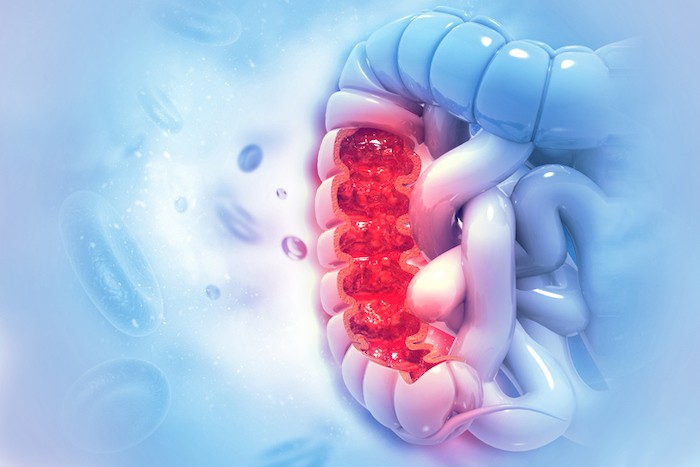
Yes, in a defined subset of patients. Cure is most likely when the cancer has spread to a single organ — usually the liver or lung — in a limited number of lesions that can be completely removed surgically. After liver resection for colorectal metastases, a meaningful fraction of patients remain disease-free at 5 and even 10 years. MSI-high tumours treated with immunotherapy have also produced complete, durable remissions that look very much like cure.
For most patients with widespread metastases, cure is currently not realistic, but long-term disease control is. The goal shifts from eradication to turning metastatic colon cancer into a chronic, manageable illness. That is a genuine change from just 15 years ago, when median survival was under a year and this conversation was not possible.
What a Good Prognosis Looks Like: Signs Your Treatment Is Working
One of the hardest parts of metastatic treatment is not knowing whether it is working. Prognosis is continuously revised based on how the tumour responds, and there are clear signals that oncologists track at each cycle.
- Falling CEA levels: A steady decline over the first few cycles usually reflects genuine tumour shrinkage
- Imaging response: CT or PET scans every 2 to 3 months showing shrinking or stable lesions
- Symptom improvement: Return of appetite, less pain, better energy often precede imaging changes
- Tolerable side effects: Being able to complete chemotherapy on schedule is itself a good prognostic sign
- Conversion to resectability: Tumours shrinking enough to become surgically removable is the strongest signal of a good outcome
If the early signals are not promising, the plan can be switched. Second-line and third-line regimens exist for almost every genetic subtype, and patients who fail first-line treatment still have meaningful options.
Living Well With Metastatic Colon Cancer
Most patients on metastatic treatment continue working, travelling, and spending time with family. Modern chemotherapy is delivered in cycles, usually every two to three weeks, with side effects that are manageable for most people. Fatigue, peripheral neuropathy, and changes in bowel habits are the most common issues, and your team will adjust doses or switch drugs if toxicity becomes limiting.
Nutrition plays a bigger role than most patients realise. Protein intake, hydration, and weight maintenance directly affect how well chemotherapy works and how quickly you recover between cycles. Mental health support — whether through counselling, peer groups, or a therapist who works with cancer patients — consistently improves both quality of life and treatment adherence.
What to Do Next After a Stage 4 Diagnosis
The first 2 to 4 weeks after a metastatic diagnosis are the most important. Decisions made during this window shape the entire treatment trajectory. Here is a practical checklist.
- Confirm the staging is complete: CT scan of chest, abdomen, and pelvis, plus MRI of the liver if metastases are suspected there
- Insist on full molecular testing: KRAS, NRAS, BRAF, MSI status, and HER2 at minimum — treatment choice depends on it
- Get a second opinion: Especially about whether the metastases might be resectable now or after chemotherapy
- Ask about clinical trials: Several trials run actively in India for metastatic colorectal cancer, and eligibility is often broader than patients realise
- Build a multidisciplinary team: Gastroenterologist, medical oncologist, surgical oncologist, and radiation oncologist working together produce the best outcomes
If you need an expert second opinion on staging, molecular testing, or the feasibility of surgical resection, book a consultation for a personalised evaluation.
Conclusion
Colon cancer metastasis prognosis in 2026 is not the sentence it once was. Better imaging, routine molecular profiling, targeted therapies, immunotherapy for MSI-high disease, and aggressive multidisciplinary management have extended survival for most stage IV patients and now offer genuine hope of cure for a meaningful subset. The most important decision after diagnosis is choosing a team that stages the disease thoroughly, understands the molecular biology, and coordinates care across surgery, oncology, and endoscopy without delay. Every week of delay costs options.
FAQs
What is the life expectancy of someone with metastatic colon cancer?
Median survival for metastatic colon cancer is currently 24 to 36 months with combination chemotherapy and targeted therapy. Patients with resectable liver-only metastases can achieve 5-year survival rates of 40 to 60%, and some are cured outright. Individual outlook depends on the number of metastatic sites, tumour biology, genetic markers, and response to first-line treatment.
Where does colon cancer spread first?
The liver is the most common first site of colon cancer metastasis because blood drains from the colon directly into the liver through the portal vein. Roughly 50% of metastases occur in the liver. The lungs are the second most common site, followed by the peritoneum, distant lymph nodes, and less often bones or brain.
Can stage 4 colon cancer go into remission?
Yes. Patients with limited metastases, particularly liver-only or lung-only disease, can achieve complete remission through a combination of chemotherapy and surgical resection. A smaller group with MSI-high tumours responds exceptionally well to immunotherapy and can remain in durable remission for years. For widespread disease, long-term disease control is the more common goal.
What are the signs that colon cancer has spread?
Common signs of metastatic spread include unexplained weight loss, persistent fatigue, abdominal pain or swelling, jaundice if the liver is involved, shortness of breath or cough if the lungs are involved, bone pain, and neurological symptoms. Rising CEA levels on follow-up blood tests can also suggest recurrence or spread before symptoms appear.