

Is it really a stomach ulcer, or just regular stomach pain?

If you’re reading this, chances are your teenager has been complaining about stomach pain for a while now, and something feels off. Maybe it’s been weeks. Maybe they wake up at night holding their stomach. Maybe they’ve stopped eating properly and you’re starting to worry it’s more than just exam stress or bad eating habits.
Here’s the honest truth. Stomach ulcers in teenagers are far more common than most Indian parents realize. Doctors used to think ulcers were an adult problem. That’s outdated. Today, teen ulcers are showing up in clinics regularly, driven by H. pylori infection, painkiller overuse, and lifestyle changes that were rare a generation ago.
The good news is this. Teen ulcers heal faster than adult ulcers when they’re caught early and treated properly. The bad news? Most families wait too long because the symptoms look exactly like everyday indigestion. This guide walks you through everything, what an ulcer actually is, how to spot it early, what causes it, how doctors confirm it, and what treatment really looks like.
According to Dr. Ksheetij Kothari, gastroenterologist in Pune, “Most of the teen ulcer cases I see started as mild burning after meals three or four months ago. Parents hope it will pass on its own. In the meantime, the ulcer gets deeper, and sometimes it starts bleeding before anyone takes it seriously.”
What exactly is a stomach ulcer in a teenager?
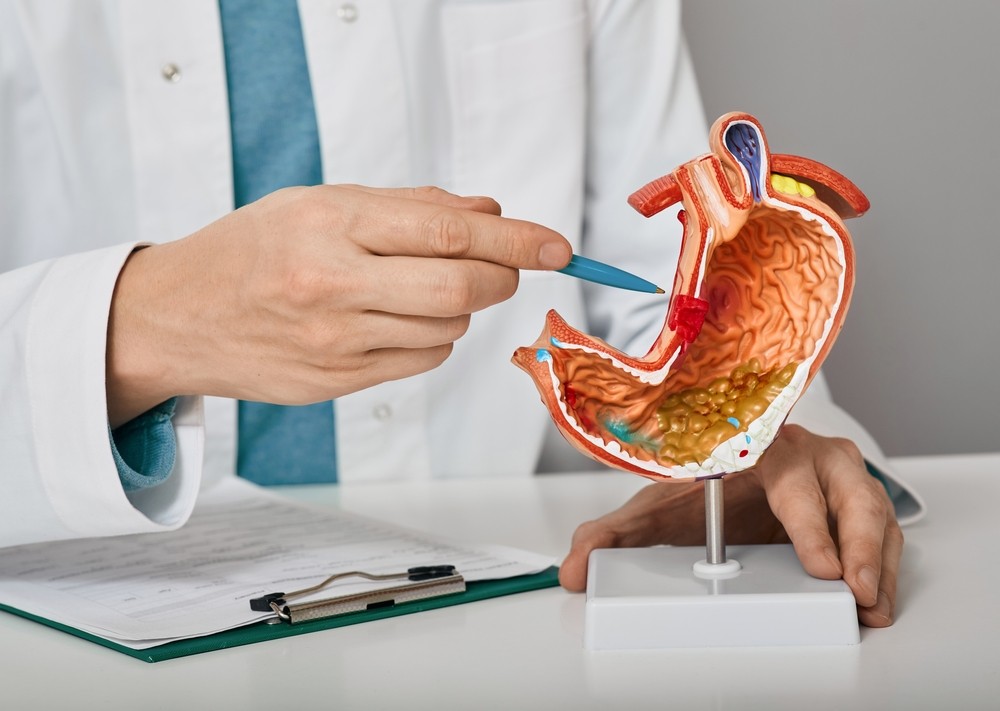
A stomach ulcer, also called a peptic ulcer, is an open sore that develops on the inside lining of the stomach or the upper part of the small intestine called the duodenum. Imagine the inside of your stomach as a thick protective wall. Stomach acid sits inside that wall all day helping digest food. A layer of mucus keeps the acid from damaging the wall itself.
When that mucus layer breaks down for any reason, the acid starts eating into the lining underneath. Over time, a raw wound forms. That wound is the ulcer. It can be small, the size of a pencil eraser, or it can grow larger if left untreated.
In teenagers specifically, ulcers usually show up in the duodenum rather than the stomach itself. These are called duodenal ulcers. They tend to cause pain a few hours after eating or during the night, because that’s when acid levels are highest and there’s no food in the stomach to neutralize it.
What makes teen ulcers different from adult ones is how quickly they respond to treatment. A teenager’s gut heals faster, the immune system is stronger, and the underlying causes are usually more treatable. But none of that matters if the ulcer is ignored long enough to bleed or perforate, which is a surgical emergency.
Early warning signs parents usually miss
Teen ulcer symptoms are sneaky. They look almost exactly like regular stomach trouble, which is why they get dismissed as stress, junk food, or growing pains. Here’s what to actually pay attention to.
Burning pain in the upper stomach
This is the classic sign. The pain is usually right between the ribs and the belly button, and it feels like a burning or gnawing. It gets worse when the stomach is empty, often at night or 2 to 3 hours after a meal. Eating sometimes provides temporary relief, then the pain comes back. If your teen describes this pattern, take it seriously.
Loss of appetite and weight loss.
Teenagers are supposed to eat a lot. When they suddenly start skipping meals, pushing food around the plate, or saying food “doesn’t feel right,” that’s a red flag. Unexplained weight loss over a few weeks is one of the clearest warning signs of an untreated ulcer.
Nausea, especially in the morning.
Many teens with ulcers wake up feeling nauseous or have a bitter, sour taste in their mouth. Some vomit occasionally. In rare cases, the vomit may contain streaks of blood or look like coffee grounds, which means the ulcer is actively bleeding and needs emergency care.
Bloating and feeling full too quickly.
A teen who used to finish a full plate and now says they’re full after a few bites may have an ulcer interfering with normal digestion.
Dark or tarry stools.
This is the symptom most parents miss completely because no one thinks to ask. Black, sticky stools that look like tar mean there is blood in the digestive tract, which has been digested as it passed through. This is not normal. This is a medical emergency and needs same-day attention.
Fatigue and pale skin
Chronic low-level bleeding from an ulcer causes iron-deficiency anemia. If your teen looks paler than usual, gets tired easily, or struggles to keep up with school or sports, an ulcer could be the hidden reason.
If two or more of these signs are present, don’t wait. Get an evaluation. For a closer look at related digestive issues that mimic ulcers, you may want to read about peptic ulcer treatment in Pune.
What actually causes stomach ulcers in teenagers
The old belief that ulcers come from spicy food or stress alone is completely wrong. Modern gastroenterology has identified specific, treatable causes. Most teen ulcers trace back to one or two main reasons.
H. pylori infection is the biggest cause.
The old belief that ulcers come from spicy food or stress alone is completely wrong. Modern gastroenterology has identified specific, treatable causes. Most teen ulcers trace back to one or two main reasons.
Painkiller overuse.
This is the second biggest cause, and it’s rising fast. Teens take ibuprofen, aspirin, diclofenac, and other NSAIDs for headaches, menstrual cramps, sports injuries, or after minor surgeries. These drugs block the chemicals that protect the stomach lining. Regular or long-term use, even over-the-counter, can thin the lining enough for an ulcer to form. Paracetamol is generally safer for the stomach, but many teens and families don’t know the difference.
Chronic stress and poor sleep.
Stress doesn’t directly cause ulcers in the way people once believed, but it absolutely makes them worse and delays healing. Exam pressure, late-night screen time, skipped meals, and irregular sleep all increase stomach acid production and weaken the gut’s natural defense. When combined with H. pylori or NSAID use, stress turns a minor irritation into a full ulcer.
Chronic stress and poor sleep.
Stress doesn’t directly cause ulcers in the way people once believed, but it absolutely makes them worse and delays healing. Exam pressure, late-night screen time, skipped meals, and irregular sleep all increase stomach acid production and weaken the gut’s natural defense. When combined with H. pylori or NSAID use, stress turns a minor irritation into a full ulcer.
Family history and genetics.
Stress doesn’t directly cause ulcers in the way people once believed, but it absolutely makes them worse and delays healing. Exam pressure, late-night screen time, skipped meals, and irregular sleep all increase stomach acid production and weaken the gut’s natural defense. When combined with H. pylori or NSAID use, stress turns a minor irritation into a full ulcer.
Spicy food, oily food, and caffeine.
These don’t cause ulcers on their own, despite popular belief. But they absolutely aggravate existing ulcers and make symptoms worse. Cutting them out during treatment helps healing but isn’t a long-term solution.
How a stomach ulcer in a teenager is diagnosed
Diagnosis is where things often go wrong. Too many teens are handed antacids for months without anyone actually confirming what’s going on. That approach masks symptoms and lets the ulcer grow worse underneath. A proper gastroenterologist will run specific tests to confirm the ulcer and, more importantly, find out exactly what’s causing it.
- Upper GI endoscopy. This is the gold standard. A thin, flexible tube with a camera goes down the throat into the stomach and duodenum. The doctor looks directly at the lining, spots the ulcer, measures it, and checks for bleeding. A small tissue sample (biopsy) can be taken during the same procedure to test for H. pylori or rule out anything more serious. The whole thing takes about 15 minutes under light sedation, and teens don’t feel or remember a thing.
- Hpylori testing. There are three ways to test for this bacteria. A urea breath test, where the teen drinks a solution and breathes into a bag, is non-invasive and accurate. A stool antigen test is another easy option. The third is a biopsy taken during endoscopy, which is the most definitive. Most gastroenterologists will choose the test that fits the teen’s situation.
- Blood tests. A complete blood count checks for anemia, which is often the first sign of a slow-bleeding ulcer. Other blood tests may be ordered to rule out other causes of stomach pain like celiac disease or autoimmune gastritis.
- Stool occult blood test. This picks up tiny amounts of hidden blood in the stool that aren’t visible to the eye. It’s a simple, cheap test that often gives the first real clue.
At Dr. Kothari’s clinic, most diagnoses wrap up in a single visit. Endoscopy, biopsy, and H. pylori testing happen under one roof, and reports are explained in plain language. No running between three different labs over two weeks.
Treatment options that actually work for teen ulcers
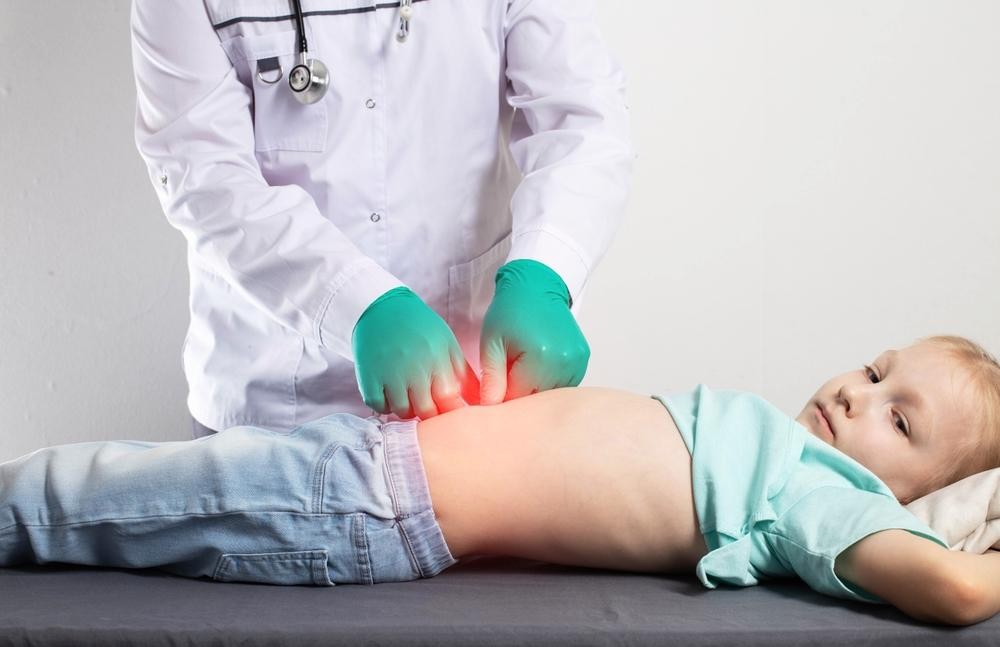
Here’s the reassuring part. Almost every teen ulcer heals completely with the right treatment. Surgery is very rarely needed. The treatment plan depends on what caused the ulcer in the first place.
- Triple therapy for H. pylori. If H. pylori is the cause, a 10 to 14 day course of two antibiotics plus a proton pump inhibitor (PPI) is prescribed. Common combinations include amoxicillin, clarithromycin, and a PPI like pantoprazole or esomeprazole. Success rates are above 90 percent when the course is completed properly. Missing doses is the number one reason treatment fails, so parents need to stay on top of this.
- Proton pump inhibitors (PPIs). These medications shut down acid production in the stomach, giving the ulcer a chance to heal. Pantoprazole, omeprazole, and esomeprazole are the most common. A typical course is 4 to 8 weeks. Most teens feel significant relief within the first week.
- blockers and antacids. For milder cases or as backup support, ranitidine (where available), famotidine, and over-the-counter antacids help manage acid levels and ease symptoms while the main treatment does its job.
- Cytoprotective agents. Medications like sucralfate coat the ulcer and create a protective barrier, speeding up healing in more severe cases.
- Stopping the triggers. No amount of medication will work if the teen keeps taking ibuprofen every week or smoking behind the school. The offending cause has to stop. For NSAID users, paracetamol is a safer alternative for most pain. For smokers, this is the moment to quit for good.
- Dietary changes during healing. Small, regular meals work better than three large ones. Avoid extreme spice, fried foods, sodas, caffeine, and citrus juices while the ulcer heals. Plain yogurt, bananas, oats, boiled vegetables, and plenty of water help the stomach settle. This isn’t a forever diet, just a healing window of a few weeks.
- Follow-up endoscopy. In cases of larger ulcers or those that bled, a repeat endoscopy 6 to 8 weeks after treatment confirms full healing. This step often gets skipped but matters more than people realize.
- When surgery is needed. Surgery is rare and usually reserved for complications like perforation (the ulcer has burst through the wall), uncontrolled bleeding, or gastric outlet obstruction. These are emergencies, not routine situations.
What happens if a teen ulcer is ignored
Ignoring a stomach ulcer is a bad gamble. Here’s what can actually go wrong.
- Internal bleeding. The ulcer keeps eating into the lining until it hits a blood vessel. Slow bleeding causes anemia, fatigue, and dark stools. Fast bleeding causes vomiting of blood and shock. Both need hospitalization.
- The ulcer eats completely through the stomach or duodenal wall, spilling stomach contents into the abdomen. This causes sudden, severe pain and is a surgical emergency within hours.
- Gastric outlet obstruction. Chronic ulcers cause scarring that narrows the passage where food exits the stomach. This leads to repeated vomiting, weight loss, and inability to keep food down.
- Increased cancer risk in adulthood. Long-standing H. pylori infection, if never treated, raises the risk of stomach cancer later in life. Treating it in the teen years removes that risk entirely.
None of this is meant to scare anyone. These complications are rare when treatment happens on time. They become real only when ulcers go untreated for months or years.
Preventing ulcers from coming back
- After treatment, prevention is the next step. Teen ulcers can recur if the underlying habits don’t change.
- Limit NSAID use. Use paracetamol for everyday pain unless a doctor specifically prescribes something stronger. If NSAIDs are truly needed, take them with food and never on an empty stomach.
- Eat regular meals. Skipping meals and then overeating at night is one of the worst patterns for the stomach. Three meals plus a couple of snacks work much better than two large meals with long gaps.
- Manage stress realistically. This means proper sleep, some physical activity, and cutting down on late-night screen time. Stress management doesn’t have to mean meditation classes. It just means not running the body on empty for months at a time.
- Stay away from tobacco and alcohol. Full stop. These damage the stomach lining directly and slow down any healing.
- Get re-tested for H. pylori. About 4 to 6 weeks after finishing antibiotics, a follow-up test confirms the bacteria is fully gone. This is a step many patients skip, and it’s why ulcers sometimes come back.
Conclusion
A stomach ulcer in a teenager isn’t a small thing, but it’s not a disaster either. It’s a treatable condition that responds well when taken seriously. The mistake most families make is waiting too long, hoping the symptoms will fade on their own. They rarely do. What starts as mild burning turns into chronic pain, then bleeding, then hospitalization.
If your teenager has had stomach pain for more than two or three weeks, get it properly checked. One endoscopy and a simple H. pylori test can give you a real answer, not a guess. Treatment is straightforward. Healing is usually complete. And your teen can get back to being a teenager instead of someone who dreads every meal.
Don’t wait for things to get worse.
FAQs
At what age can a teenager get a stomach ulcer?
Ulcers can develop any time from around age 10 onwards, though they’re most common in teens aged 14 to 19. H. pylori infection usually starts in childhood and can produce symptoms years later.
How long does a stomach ulcer take to heal in a teenager?
Most teen ulcers heal completely in 4 to 8 weeks with proper medication. H. pylori-related ulcers may need a 10 to 14 day antibiotic course followed by 4 to 6 weeks of acid-suppressing therapy.
Is endoscopy painful or scary for teenagers?
No. It’s done under light sedation, takes about 15 minutes, and most teens don’t remember the procedure afterward. It’s the most accurate way to confirm an ulcer.
Can stomach ulcers in teens come back after treatment?
Yes, if the underlying cause isn’t fully addressed. Completing the full antibiotic course, avoiding NSAIDs, and getting re-tested for H. pylori prevents recurrence in most cases.
What foods should a teen with ulcer avoid during healing?
Spicy food, fried snacks, sodas, coffee, citrus juices, and late-night junk food should be avoided. Plain, home-cooked meals work best during the healing window.
Can a teen ulcer cause long-term problems?
Untreated ulcers can lead to bleeding, perforation, or increased stomach cancer risk in adulthood. When treated on time, there are usually no long-term effects.