
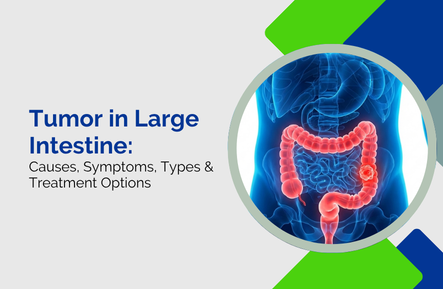
A tumor in the large intestine is one of the most commonly diagnosed gastrointestinal conditions — and one of the most preventable, when caught early. Yet most patients seek help only after symptoms become severe, by which time treatment becomes significantly more complex.
As a leading Gastroenterologist in Pune, Dr. Ksheetij Kothari regularly treats patients across all stages of this condition. This guide covers everything you need to know — from causes and warning signs to treatment options and recovery.

What Causes a Tumor in the Large Intestine?

Large intestine tumors develop when normal cells in the intestinal lining mutate and multiply uncontrollably. The most common contributing factors include:

Genetic conditions

Familial Adenomatous Polyposis (FAP) and Lynch Syndrome significantly raise lifetime colorectal cancer risk.

Diet

High intake of red and processed meat, low fiber, and excessive alcohol consumption are strongly linked to colorectal tumors.

Inflammatory Bowel Disease

Long-standing Ulcerative Colitis or Crohn’s disease increases cancer risk considerably over time.

Lifestyle factors

Physical inactivity, obesity, smoking, and Type 2 diabetes all contribute to an elevated risk.

Age

Risk rises sharply after 50, though cases in younger adults are increasingly common in urban India.
A family history of colorectal cancer or previous polyps also places individuals in a high-risk category requiring regular screening colonoscopy.

What Are the Signs of a Tumor in the Large Intestine?
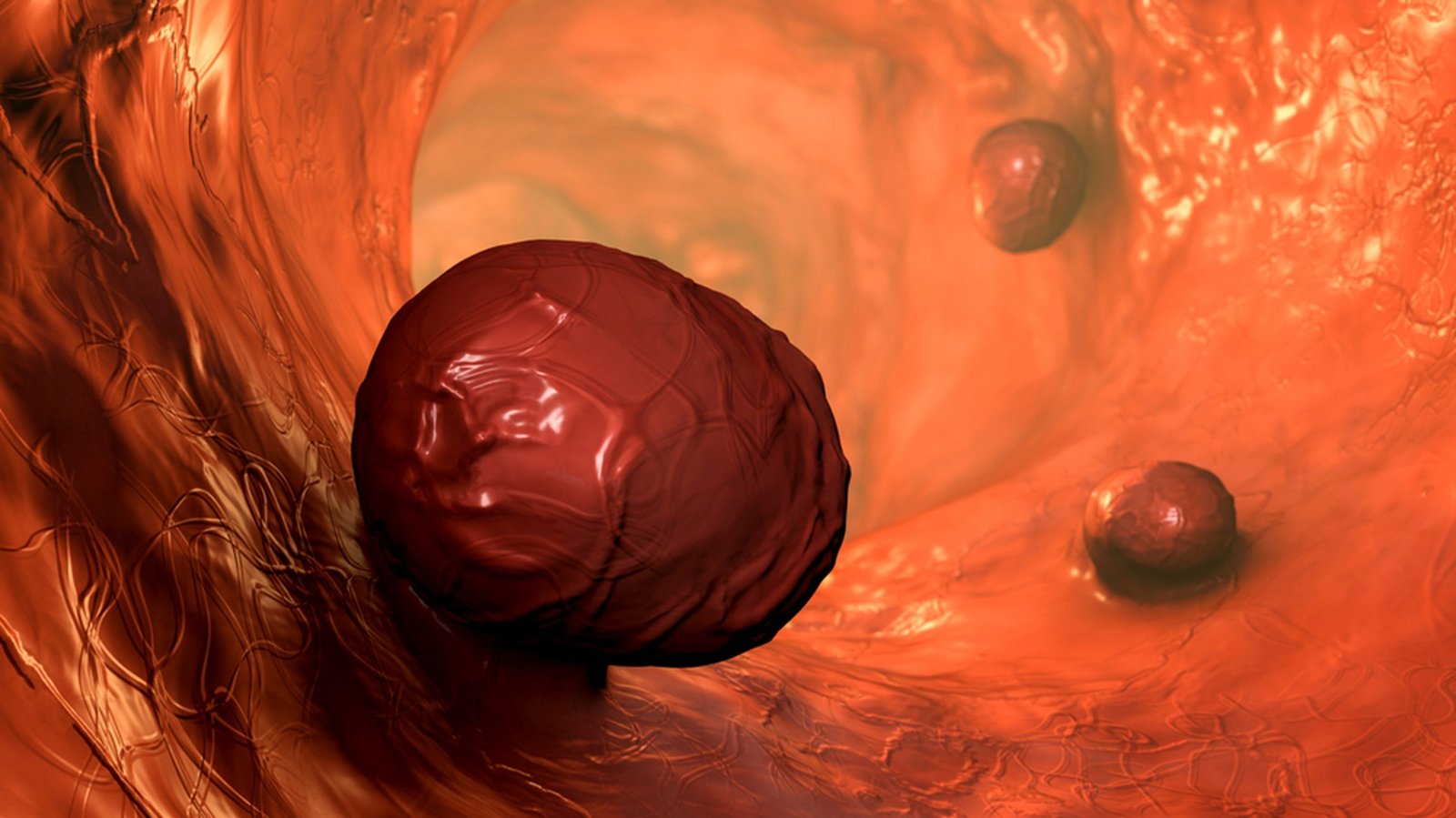
Early-stage tumors are often silent. By the time symptoms appear, the condition may have already advanced. Key warning signs include:

Blood in stool

Bright red or dark, tarry bleeding — often mistaken for hemorrhoids.

Persistent change in bowel habits

Chronic diarrhea, constipation, or pencil-thin stools lasting more than 3–4 weeks.

Abdominal pain and cramping

Recurring discomfort, bloating, or a feeling of incomplete bowel emptying.

Unexplained weight loss

Losing weight without any change in diet or activity levels.

Fatigue and anemia

Chronic microscopic blood loss leads to iron-deficiency anemia, causing persistent tiredness and pallor.
Book Your Colonoscopy Today – Early Detection Saves Lives

What Are the Types of Tumors in the Large Intestine?

Tumors of the large intestine range from benign growths to aggressive malignancies:

Adenomatous Polyps

The most common benign tumors. They can slowly transform into cancer over 10–15 years if left undetected

Serrated Polyps

A subtype with moderate malignant potential; increasingly recognized as a precursor to colorectal cancer.

Colorectal Adenocarcinoma

Accounts for nearly 96% of all malignant large intestine tumors. Arises from glandular cells in the intestinal lining.

Carcinoid (Neuroendocrine) Tumors

Slow-growing tumors that arise from hormone-producing cells; can metastasize over time.

Gastrointestinal Stromal Tumors (GIST)

Rare tumors arising from the intestinal wall; respond well to targeted therapy.
A colonoscopy with biopsy is the most reliable way to determine the exact type and malignancy of a tumor.

Treatment Options for Tumor in the Large Intestine

Treatment depends on the tumor type, stage, location, and the patient’s overall health. Dr. Ksheetij Kothari, expert Gastroenterologist in Pune, develops individualized treatment plans in collaboration with surgical and oncology specialists.

Endoscopic Removal (Polypectomy / EMR)

Benign polyps and early-stage tumors are removed during colonoscopy — a minimally invasive, same-day procedure.

Surgery (Colectomy)

Removal of the affected portion of the colon. Laparoscopic surgery offers faster recovery with smaller incisions.

Chemotherapy

FOLFOX and CAPOX regimens are used before surgery (to shrink the tumor) or after (to reduce recurrence risk).

Radiation Therapy

Primarily used for rectal cancers — either before surgery to shrink the tumor or after to eliminate residual cells.

Targeted Therapy

Drugs like Bevacizumab and Cetuximab target specific molecular pathways in cancer cells, used in advanced disease.

Immunotherapy

Checkpoint inhibitors (Pembrolizumab) are highly effective in MSI-H/dMMR colorectal cancers — a characteristic of Lynch syndrome-related tumors.
Get a Personalized Treatment Plan from a Gastroenterologist in Pune

What Is the Recovery Period for a Tumor in the Large Intestine?

Recovery varies significantly based on treatment type:

After endoscopic removal

Most patients resume normal activities within 24–48 hours with minimal discomfort.

After laparoscopic surgery

Hospital stay of 3–5 days; full recovery in 3–4 weeks. Open surgery may take 6–8 weeks.

After chemotherapy

Side effects like fatigue and nausea typically ease within weeks to months after completing cycles.

After radiation

Bowel changes and fatigue may take 3–6 months to fully resolve.

Long-term surveillance is essential regardless of treatment — including regular CEA blood tests, CT scans, and follow-up colonoscopies. Dietary changes, regular exercise, and weight management significantly reduce the risk of recurrence.

Conclusion

A tumor in the large intestine is serious — but with early detection and expert care, outcomes are excellent. Whether you have persistent digestive symptoms, a family history of colorectal cancer, or are due for routine screening, acting early can be life-saving. Consult Dr. Ksheetij Kothari, a trusted Gastroenterologist in Pune, for a thorough evaluation and personalized care plan. Early action is your strongest defense.

FAQs

Is large intestine cancer curable?

Yes. Stage I and II colorectal cancer have 5-year survival rates of 85–95% with surgery. Even Stage III carries a 40–80% survival rate with surgery and chemotherapy. Early screening through colonoscopy remains the most powerful tool for prevention and cure.

Can you survive a tumor in your intestine?

Absolutely. Benign tumors pose minimal risk when removed early. Malignant tumors, when detected at an early stage, have excellent survival outcomes. Even advanced cases benefit greatly from modern targeted therapy and immunotherapy.

How fast do intestinal tumors grow?

Benign adenomatous polyps typically take 10–15 years to become cancerous — which is why regular colonoscopy is so effective. However, aggressive subtypes can grow faster. Individual assessment by a Gastroenterologist in Pune is essential for accurate prognosis.

Are intestinal tumors cancerous?

Not all. Hyperplastic polyps and lipomas are benign. However, adenomatous and serrated polyps carry malignant potential if left untreated. A biopsy during colonoscopy gives a definitive answer — never self-diagnose intestinal symptoms.
author avatar
drksheetijkothari