
Acute suppurative appendicitis with periappendicitis is an advanced stage of appendicitis where pus fills the appendix and inflammation spreads to the surrounding tissue. It signals the infection is worsening and carries a real risk of rupture. Prompt diagnosis and surgery are critical to avoid complications.
According to Dr. Ksheetij Kothari, a senior Gastroenterologist in Pune,”Suppurative appendicitis tells us the infection has gone beyond a simple inflamed appendix. At this stage I rarely advise waiting, because the risk of rupture climbs with every passing hour.”
How Does Acute Appendicitis Progress to Suppurative Inflammation?
Appendicitis rarely jumps straight to its worst form. It moves through stages, and each one raises the stakes if treatment is delayed.
- Early obstruction: The appendix opening gets blocked by stool, swelling, or rarely a growth
- Rising pressure: Trapped mucus builds up, swelling the appendix and cutting off blood flow
- Bacterial overgrowth: Trapped contents let bacteria multiply, turning the swelling infective
- Suppurative stage: Pus forms inside the appendix wall as the infection deepens
- Periappendicitis: Inflammation spreads to the lining and tissue surrounding the appendix
- Risk of rupture: Without treatment, the wall can burst and spread infection into the abdomen
Here’s what makes this stage urgent: once pus forms and inflammation crosses the appendix wall, the body is fighting a spreading infection. Confirmed cases usually need surgical appendicitis treatment without delay.
Signs and Symptoms Before Diagnosis
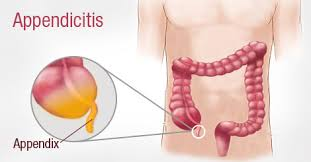
The symptoms often start vague and then sharpen. The shift in pain location is one of the most telling clues.
- Migrating pain: Discomfort that starts near the navel and settles in the lower right abdomen
- Worsening tenderness: Sharp pain on pressing the lower right belly, worse on release
- Fever and chills: A rising temperature signalling active infection
- Nausea and vomiting: Often appearing soon after the pain begins
- Loss of appetite: A common early sign that something is wrong
- Abdominal rigidity: A tense, guarded belly suggesting the inflammation is spreading
One thing patients underestimate: pain that eases suddenly isn’t always good news. It can mean the appendix has ruptured. Because some signs overlap with chronic gut conditions, doctors may rule out inflammatory bowel disease before confirming appendicitis.
Sudden, worsening pain in your lower right abdomen? Seek urgent care with one of Pune’s leading gastroenterologists today.
How Is Acute Suppurative Appendicitis Diagnosed?
Diagnosis combines a hands-on exam with tests that confirm both the infection and how far it has spread.
- Clinical examination: Checking for rebound tenderness and guarding in the lower right abdomen
- Blood tests: A raised white cell count and inflammatory markers point to active infection
- Ultrasound: A quick, radiation-free first look at the appendix
- CT scan: The most accurate way to confirm suppuration and surrounding inflammation
- Urine test: Helps rule out urinary causes that mimic appendicitis
- Pregnancy test: Standard in women of childbearing age before imaging or surgery
Here’s a quick guide to how the diagnosis typically unfolds:
| Stage | What’s Involved |
| First assessment | Symptom history, abdominal exam, vital signs |
| Within hours | Blood tests, urine test, ultrasound |
| Confirmation | CT scan to assess suppuration and spread |
| Decision | Surgical referral once diagnosis is confirmed |
When to Seek Medical Attention After Appendectomy
Most people recover well after appendix surgery, but a few warning signs mean you should be seen quickly rather than waiting it out.
- High or returning fever: A temperature spike days after surgery can signal infection
- Worsening belly pain: Pain that intensifies instead of easing needs review
- Wound problems: Redness, swelling, or discharge around the incision
- Persistent vomiting: Being unable to keep fluids down
- No bowel movement or gas: A sign the bowel hasn’t restarted properly
- Ongoing bloating: Some swelling is normal, but persistent distension deserves a check
Mild bloating in the first days is common and usually settles. Our guide on bloated stomach after appendectomy explains what’s normal and what isn’t.
Patients across Pune trust Dr. Ksheetij Kothari for prompt evaluation of acute abdominal infections, thanks to his advanced diagnostic and endoscopic experience and close surgical coordination.
Recovering from appendix surgery and something feels off? Book a gastroenterology consultation today
FAQs
What does suppurative appendicitis mean?
It means pus has formed inside the appendix, marking a more advanced and serious stage of infection.
What is periappendicitis?
Periappendicitis is inflammation of the tissue surrounding the appendix, showing the infection has spread beyond it.
Is suppurative appendicitis an emergency?
Yes. It carries a high risk of rupture and usually needs prompt surgery to prevent complications.
How is suppurative appendicitis treated?
Treatment is usually surgical removal of the appendix, often with antibiotics before and after.
Can appendicitis be treated without surgery?
Some early cases respond to antibiotics, but suppurative appendicitis almost always requires surgery.