
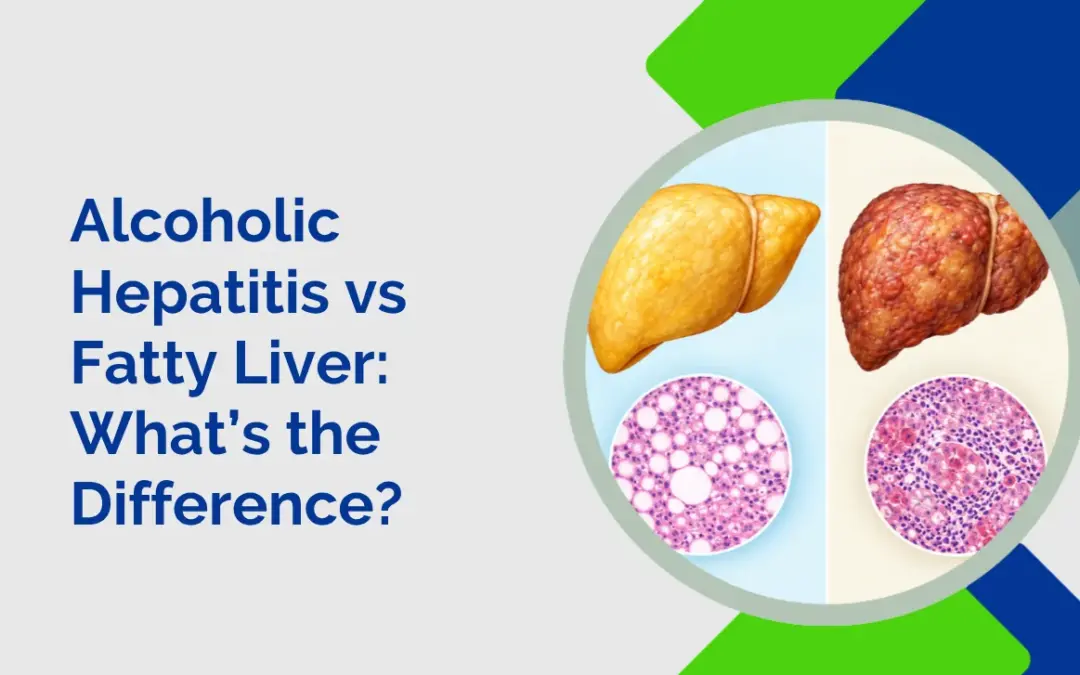
Fatty liver is usually where alcohol damage to the liver begins. If the drinking continues, a later and more serious stage can follow. Alcoholic hepatitis means inflammation has set in. The two sit on one spectrum of liver injury, which is why they’re so often confused, and fatty liver also has a non-alcoholic form that comes from weight and blood sugar rather than drink.
According to Dr. Ksheetij Kothari, a Gastroenterologist in Pune, “Patients usually walk in using the two terms as if they mean the same thing. They don’t. With fatty liver the cells are loaded with fat, and most people feel perfectly well. Once it’s alcoholic hepatitis the liver is inflamed, and patients tend to turn up with yellow eyes or a fever.”
What Symptoms Does Alcoholic Hepatitis Cause?
Most patients have been drinking heavily for years before it hits, and a binge can be the thing that tips them over. Alcoholic hepatitis symptoms are rarely subtle.
Jaundice: Yellow eyes are often the first thing family members notice. Bilirubin piles up because the inflamed liver can’t process it fast enough.
Pain under the right ribs: A dull ache sits high on the right side and feels sore when pressed, because the swollen liver is stretching its outer covering.
Fever and nausea: Temperature creeps up a little, nothing dramatic. Nausea tags along, and food stops appealing.
Weight loss and weakness: Weeks of barely eating take their toll. Many patients arrive thin and weak, with muscle visibly wasted.
Severe cases can bring fluid swelling in the abdomen or confusion, and either one means getting to a hospital quickly. The service page on alcoholic liver disease covers how the condition progresses and how it’s managed.
What About Fatty Liver?
In alcoholic liver disease, fatty liver is where things start. Fat collects inside liver cells and there’s very little inflammation yet. Quiet, for the most part.
Usually silent: Most people feel fine, which is why it’s so often picked up on a scan ordered for some other reason.
Common in heavy drinkers: Most people who drink heavily have some fat in the liver, usually well before any other damage shows.
Two different causes: The alcohol related form comes from drinking. The non-alcoholic form usually goes with excess weight and insulin resistance.
Often reversible: Stop the alcohol, or lose weight in the non-alcoholic form, and much of the fat can clear over a few weeks to months.
But it doesn’t always stay that way. If the cause continues, fat can turn into inflammation and later scarring. Our post on whether fatty liver disease can be reversed goes through what recovery looks like.
How Do Doctors Tell Them Apart?
Symptoms alone don’t settle it. One test result rarely does either, so the diagnosis comes from how the pieces fit together.
Blood tests: In alcoholic hepatitis, bilirubin is raised and AST typically sits at about twice the ALT, seldom above 300. With fatty liver the numbers may be mildly off or entirely normal.
History: The amount someone drinks and the number of years both count. Around 30 to 50 grams a day over five years or more is enough to cause alcoholic liver disease. Excess weight and diabetes point the other way.
Imaging: Ultrasound spots fat, yet inflammation doesn’t show on it. FibroScan adds a stiffness reading, and a stiff liver suggests scarring.
Biopsy: Seldom required. If the rest of the picture stays unclear, a small piece of liver tissue under the microscope settles it.
A FibroScan is over in roughly ten minutes and doesn’t involve a needle. The FibroScan test page walks through what happens during the scan.
Key Takeaways: Fatty liver is fat sitting in the cells, while alcoholic hepatitis is the liver actually inflamed. One can progress to the other if the drinking goes on. Fatty liver may never produce a single symptom. Alcoholic hepatitis usually does, and it needs treatment. At any stage, stopping alcohol is the first step, and an earlier check means the liver has less to recover from.
Not sure whether your liver reports point to fatty liver or alcoholic hepatitis?
FAQs
Is fatty liver the same as alcoholic hepatitis?
Not quite. Fatty liver is stored fat while hepatitis is an inflamed liver.
Can fatty liver develop into alcoholic hepatitis?
It can, if the heavy drinking carries on.
What alcoholic hepatitis symptoms appear first?
Yellow eyes, a sore upper right abdomen, a mild fever, and nausea.
Does fatty liver go away if someone quits drinking?
Often yes, stopping alcohol can clear the fat within weeks to months.
References:
- NCBI Bookshelf (StatPearls), Alcohol-Associated Hepatitis: https://www.ncbi.nlm.nih.gov/sites/books/NBK470217/
- NCBI Bookshelf (StatPearls), Alcohol-Associated Liver Disease: https://www.ncbi.nlm.nih.gov/sites/books/NBK546632/
Disclaimer
This blog is for educational purposes only and isn’t a substitute for professional medical advice; consult a qualified doctor for any symptoms or concerns.