
Appendicitis during pregnancy is uncommon, but it remains one of the most common surgical emergencies seen in pregnant women. The challenge is that its symptoms can often resemble normal pregnancy-related discomforts, making it difficult to recognise in the early stages. Prompt diagnosis is important because an untreated appendix can rupture and increase the risk of complications for both the mother and the baby.
According to Dr. Ksheetij Kothari, a senior Gastroenterologist in Pune “Appendicitis during pregnancy should never be dismissed as routine pregnancy discomfort. Early diagnosis and timely treatment significantly reduce the risk of complications for both mother and baby.”
Recognizing the Signs and Symptoms of Appendicitis During Pregnancy
One of the reasons appendicitis can be difficult to diagnose during pregnancy is that some of its symptoms overlap with common pregnancy complaints. However, there are certain signs that should not be ignored.
Common symptoms include:
- Abdominal pain, which may start around the belly button and gradually become more localised.
- Pain that worsens with movement, coughing, or walking.
- Nausea and vomiting that feels more severe than usual pregnancy-related sickness.
- Loss of appetite.
- Fever or chills.
- Abdominal tenderness.
- Bloating or a feeling of fullness.
As pregnancy progresses, the growing uterus can shift the position of the appendix. Because of this, pain may not always occur in the typical lower right side of the abdomen and can sometimes be felt higher up.
Abdominal pain that feels unusual during pregnancy should always be evaluated promptly.
What Causes Appendicitis During Pregnancy and Who Is at Risk?
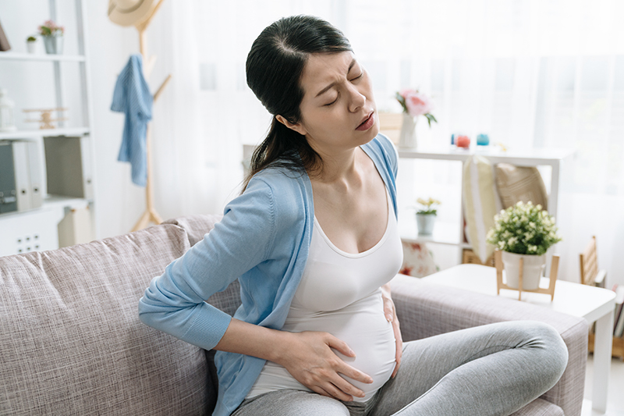
Appendicitis happens when the appendix gets blocked, which allows bacteria build up and causes inflammation. If not treated, the infection may get more serious and make it more likely that the rupture will happen.
Possible causes include:
- Obstruction caused by constipation or hard stool.
- Appendix inflammation, caused by infection.
- The appendix has enlarged lymph tissue within it.
- In a very few cases, growths will obstruct the opening that leads to the appendix.
Appendicitis is not a direct effect of pregnancy. But it is harder to diagnose, as symptoms like nausea, vomiting and abdominal discomfort are common during pregnancy.
Although the risk is low, it is advisable for pregnant women to consult medical advice if abdominal pain is unusual, does not go away after a while and slowly gets worse rather than better.
Safe Treatment Options for Appendicitis During Pregnancy
Once the diagnosis of appendicitis is made during pregnancy, the treatment is to protect the mother, baby and prevent the spread of infection.
Treatment options may include:
- When symptoms are not clear, careful monitoring and further testing.
- Antibiotics, if indicated, under close medical supervision.
- Laparoscopic appendectomy, which is a minimally invasive surgical option the abdomen performed when feasible during pregnancy.
- Open surgery when it is deemed to be the safest treatment.
The most serious danger is to put off treatment. Eventually the inflamed appendix may burst and cause a more serious infection in the abdomen. That’s why it’s generally not recommended to treat appendicitis conservatively for a long time.
When Should You Consult a Doctor?
As the body changes over the course of pregnancy and the baby grows, there may be some abdominal discomfort. But when pain persists or continues to get worse, it should not be ignored.
If any of the following apply, please see a doctor:
- Rest does not alleviate the pain.
- The pain gets progressively worse.
- You have a fever or chills.
- You continue to have nausea or vomiting.
- It causes discomfort when walking or moving around.
- You find that you have a decrease in appetite and abdominal pain.
Trust your instincts. When a pregnancy is not feeling like the usual one, it’s best to check it out. Timely identification may exclude serious complications and help to direct for appropriate treatment before complications arise.
If abdominal pain during pregnancy is persistent or worsening, seeking medical attention early is always the safest approach.
FAQs
Can appendicitis occur during pregnancy?
This may be rare, but all stages of pregnancy present risk for development of appendicitis as it remains a common type of emergency surgical procedure performed on pregnant women.
Do the symptoms of appendicitis sometimes get confused with other typical symptoms of pregnancy?
Yes, due to nausea and vomiting, appetite loss and abdominal pain, a pregnant woman may fail to get an early diagnosis of appendix inflammation.
Is it dangerous if a pregnant woman develops appendicitis?
Should it remain untreated, it can be. The pregnant woman is likely to die from an inflamed appendix because an inflamed appendix can rupture and lead to a severe infection. Early diagnosis and treatment can reduce risks both for the mother and child.
Is it possible to perform a surgery on a pregnant woman?
Surgical treatment of appendicitis can be safely carried out during all stages of pregnancy if necessary. This should be done using the safest medications possible based on the patient’s state.
When should you seek emergency medical attention?
If you have abdominal pain, fever, tenderness and other symptoms worsening or occurring continuing vomiting, consult the physician.
Disclaimer
This blog is for educational purposes only and isn’t a substitute for professional medical advice; consult a qualified doctor for any symptoms or concerns.