
Gallbladder surgery is frequently done to alleviate discomfort resulting from gallstone disease and other gallbladder disorders. Generally speaking, most patients make a full recovery and enjoy relief for a long time – but some people continue suffering from pain in their right abdomen even months and years after the operation. The reason for their persistent sensations can be unclear.
“Persistent right-sided pain after gallbladder removal should not be ignored. While the cause is not always related to the previous surgery, proper evaluation is important to identify the underlying problem and recommend the right treatment.” – Dr. Kshitij Kothari, Gastroenterologist in Pune
Lingering symptoms after gallbladder surgery
A meaningful minority of people notice ongoing or returning symptoms — they’re far from alone.
cause
What Can Cause Right Sided Pain Years After Gallbladder Removal?
The gallbladder was a storage bag for bile, the fluid the liver makes to help digest fat. Once it’s gone, the liver still makes bile – it just drips continuously down the main bile duct (the pipe carrying bile to the gut) instead of being stored. Usually the body adjusts, but sometimes the drainage system or a nearby organ becomes the source of pain. Common causes include:
What could be causing the pain?
Most causes are treatable — the goal is finding the right one.
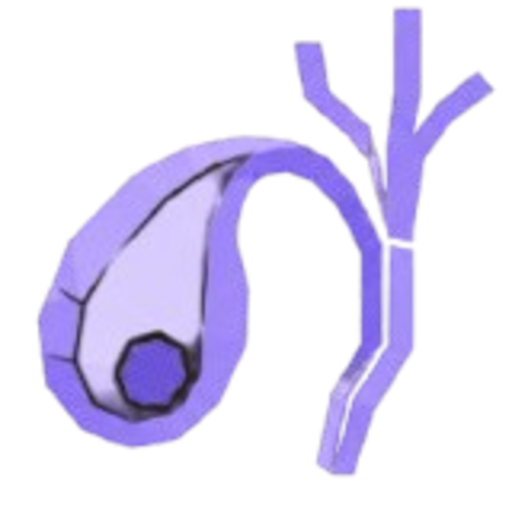
Bile-duct stones
Stones left behind or newly formed.
Tap to read
Small stones can hide in, or later form within, the main bile duct even after the gallbladder is gone. They block bile flow and trigger right-sided pain, sometimes with yellowing of the skin
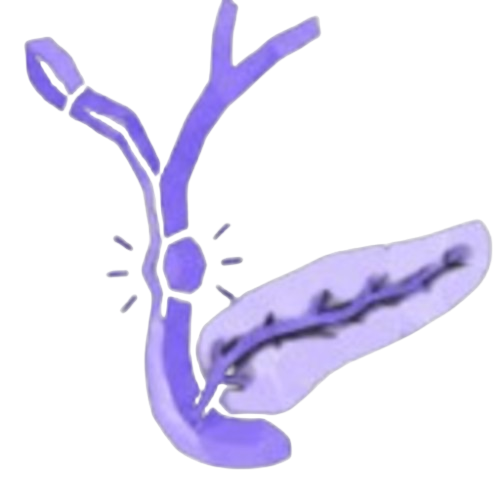
Sphincter of Oddi issue
The bile-flow valve misbehaves.
Tap to read
The sphincter of Oddi is a tiny muscular gate where the bile duct empties into the gut. If it tightens or spasms, bile backs up and causes gallbladder-type pain.
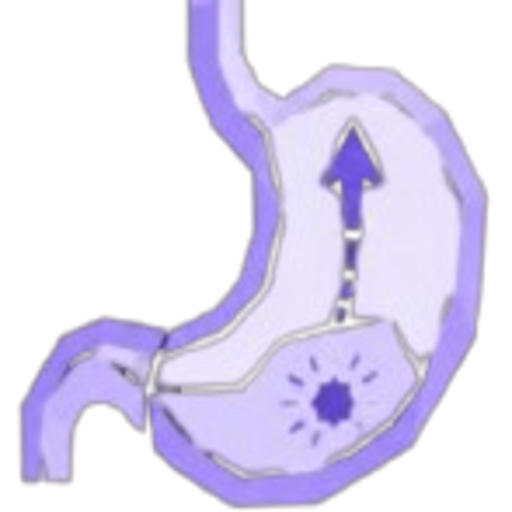
Acid reflux & ulcers
Stomach acid, not bile.
Tap to read
Acid Reflux (acid rising into the food pipe) and stomach ulcers can mimic gallbladder pain in the upper abdomen. These often existed before surgery but got blamed on the gallbladder.
Gut & bowel causes
IBS and bile-acid diarrhoea.
Tap to read
Continuous bile dripping into the gut can loosen stools and cause cramps (bile-acid diarrhoea). Irritable bowel syndrome can also flare in the same region.
Scar tissue & nerves
Adhesions and the surgery site.
Tap to read
Internal scar bands (adhesions) or irritated nerves near the incision can produce a nagging ache long after healing, especially with certain movements.
Liver & pancreas
Neighbouring organs.
Tap to read
Fatty liver, or occasionally irritation of the pancreas, sits close by and can refer pain to the right upper abdomen. Blood tests and scans help tell these apart.
Symptoms That May Accompany Persistent Right Sided Pain
Right-sided pain rarely travels alone. Depending on the cause, it may come with bloating or fullness after meals, nausea and occasional vomiting, loose or urgent stools (especially after fatty food), or heartburn in the upper belly.
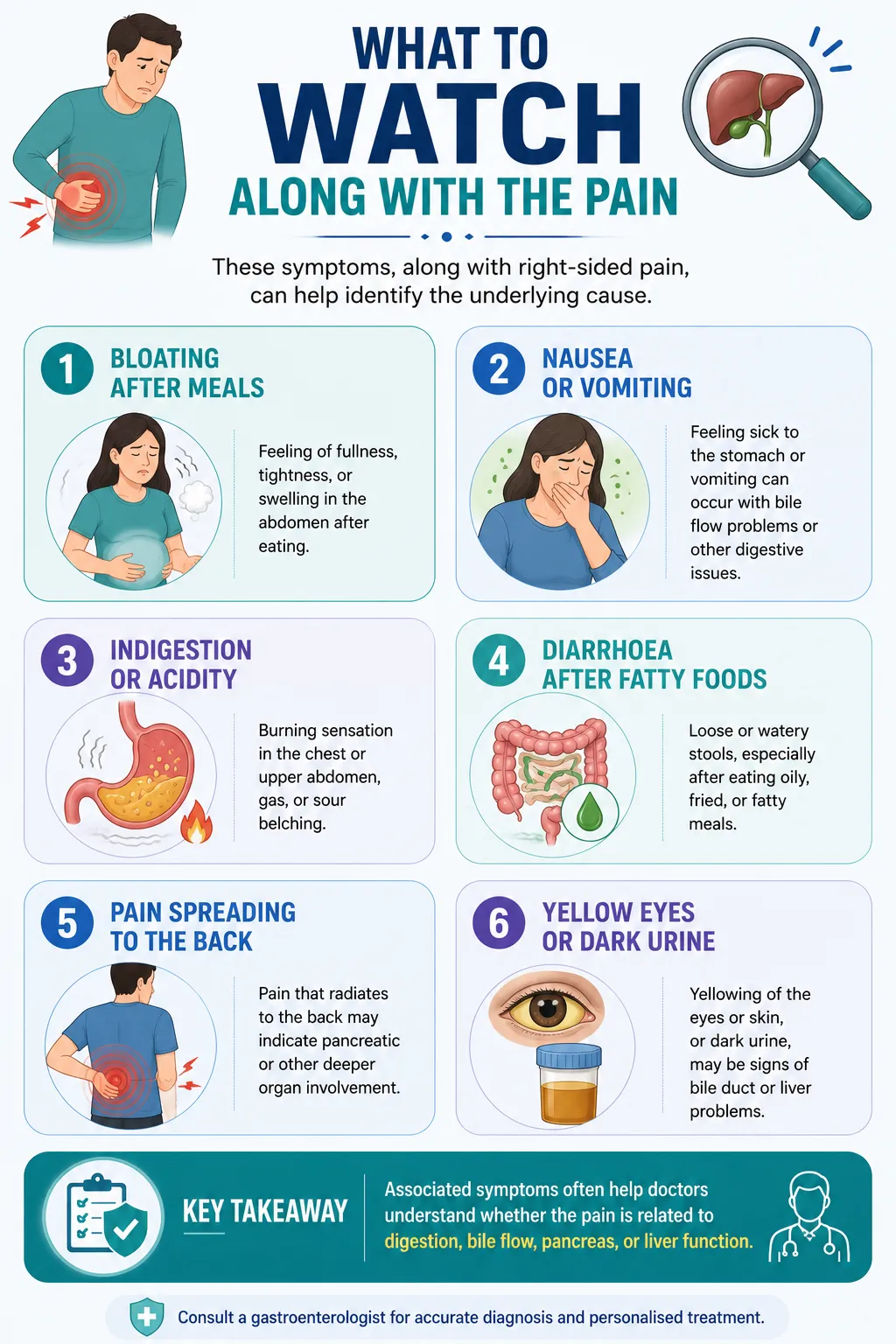
Jaundice with fever, in particular, can signal an infected, blocked bile duct – a situation that needs prompt treatment,
Ask about your symptoms: Dr. Kothari uses ultrasound, MRCP and therapeutic ERCP to pinpoint bile-duct and valve problems precisely – no unnecessary procedures –
Treatment Options Based on the Underlying Cause
Because the causes are so different, diagnosis starts simple and only escalates if needed a conversation and exam, blood tests, an ultrasound, then an MRCP (a special MRI that photographs the bile ducts without any tube going inside) if a hidden stone is suspected. Here’s the usual pathway:
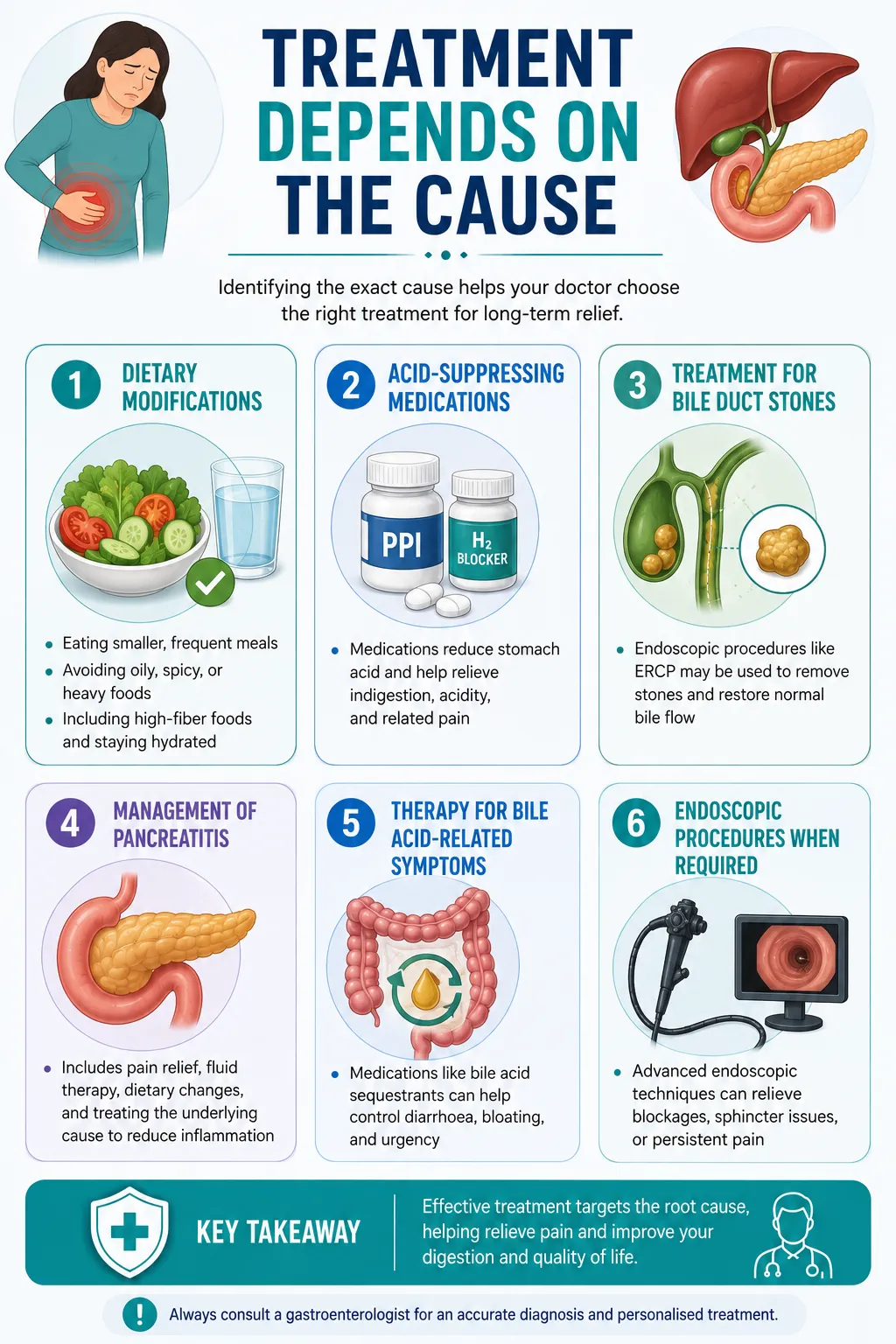
Get expert care: Red-flag symptoms, or pain that just won’t settle? Dr. Kothari offers focused evaluation of post-cholecystectomy pain, including advanced bile-duct imaging and ERCP
FAQs
Is it normal to have pain years after gallbladder removal?
It’s not unusual. It has a recognised medical name – post-cholecystectomy syndrome – and the causes are usually benign and treatable once identified.
Does this mean my surgery failed?
No. The pain rarely reflects a problem with the operation itself. More often it points to a bile-duct issue or a separate digestive condition that was quietly there already.
Which doctor should I see?
A gastroenterologist is best placed to evaluate persistent post-gallbladder pain and perform tests like MRCP and ERCP if needed.
When should I seek urgent care?
Immediately if you develop jaundice, fever with chills, severe worsening pain, or pale stools with dark urine.
Medical disclaimer:
This article is for general education and doesn’t replace personal medical advice, diagnosis, or treatment. Anyone experiencing ongoing or worsening pain after gallbladder removal should consult a qualified doctor. In an emergency, seek immediate care.
References:
- Postcholecystectomy Syndrome (PCS). StatPearls, NCBI – https://www.ncbi.nlm.nih.gov/books/NBK539902/
- Cleveland Clinic. Postcholecystectomy Syndrome – https://my.clevelandclinic.org/health/diseases/22106-postcholecystectomy-syndrome