
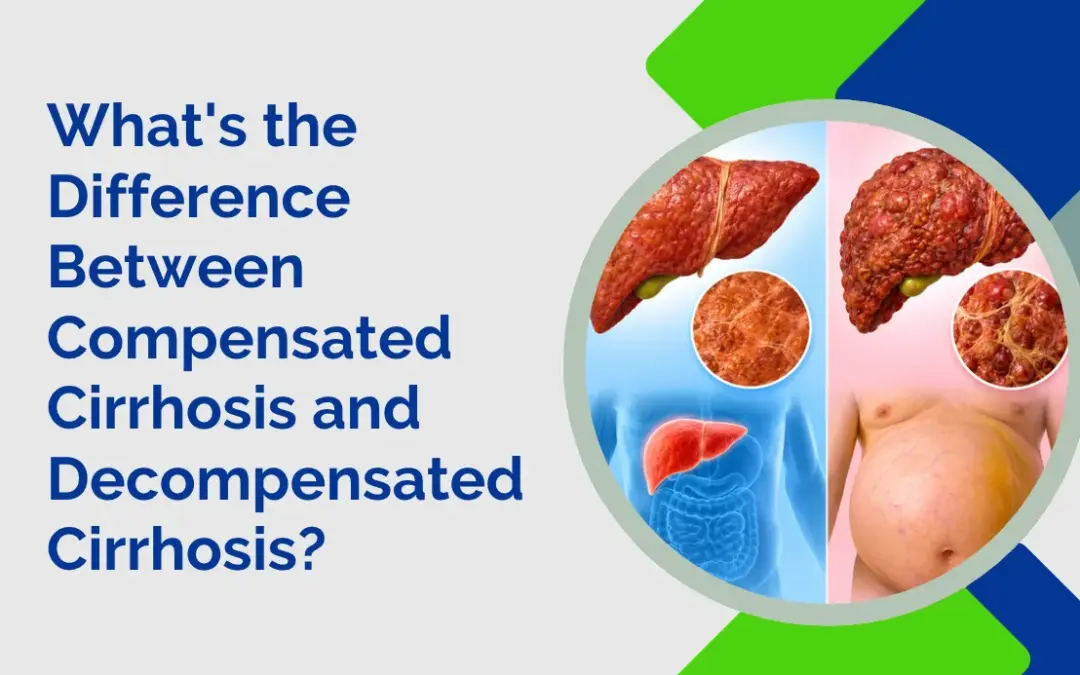
Compensated cirrhosis refers to liver scarring to a large degree, but the liver is still functioning. There is still enough healthy tissue available to maintain daily activities and no major complications have occurred as yet. When the damage, combined with increased pressure in the portal vein, causes symptoms like abdominal swelling, bleeding from varices or changes in mental status, it’s the decompensated cirrhosis stage. Same disease, very different situations. And many people spend years unaware that they are in the first stage, which is why the distinction between the two is important.
According to Dr. Ksheetij Kothari, a Gastroenterologist in Pune, “Compensated cirrhosis is a stage patients can stay in for many years if the cause is treated. Decompensation marks a significant change in the disease. The aim is to prevent progression to this stage and recognise the earliest signs if it occurs.”
What Does Compensated Cirrhosis Look Like?
The cirrhosis of the liver at this stage will be totally unnoticeable on the exterior.
Few or no symptoms: Many people feel well, or notice only vague tiredness. It is often discovered incidental during blood test, an ultrasound or another test indicated for other reasons.
The liver is scarred but still working: It’s stiff and uneven, yet the healthy tissue left still makes proteins, clears toxins, and handles bile.
The portal pressure could already be rising: Varices may be present without having bled, therefore screening endoscopy is still relevant in this stage.
The prognosis is long: If the underlying cause is addressed, such as stopping alcohol consumption or treating hepatitis C, compensated cirrhosis can remain stable for many years.
Regular monitoring and treatment of the cause are outlined under cirrhosis treatment.
What Are the Decompensated Cirrhosis Symptoms?
The signs of decompensation are recognizable and each sign corresponds to a complication.
An enlarged abdomen and legs: Fluid accumulates in the abdominal cavity (ascites), and is sometimes associated with rapid weight gain and constriction of clothing. It’s typically the first symptom, and approximately half of people with cirrhosis develop this symptom within 10 years.
Confusion and changes in sleep: Memory loss, slower thinking, day-night reversal, flapping hands. Liver toxins are building up in the brain (hepatic encephalopathy).
Yellow eyes and skin: Jaundice is a condition where the liver is unable to process bilirubin correctly.
Vomiting blood or black stools: Bleeding from varices is an emergency and needs a hospital straight away.
If there is fever and belly pain, or little or no urine, it may indicate infection or kidney problems, and should also be treated promptly. This sign will be discussed in detail in the piece on cirrhosis with ascites, and ascites is the most common of these signs.
What Happens After Decompensation?
As the liver becomes decompensated the goal is to control complications rather than preventing them and prognosis grows more guarded. Annual decompensation rate is around 5-7% in compensated patients, and is slightly higher if the cause remains active.
Fluid control: Low salt diet and diuretics, which may be combined with drainage of tense ascites (paracentesis), and administration of albumin.
Confusion control: Lactulose to empty bowels and get rid of toxins, and rifaximin if episodes recur.
Bleeding prevention: Beta-blockers and repeated sessions of banding decreases the risk of varices bleeding.
Transplant assessment: All patients with decompensated cirrhosis should be considered for it, based on the MELD score.
Decompensation doesn’t occur all the time. Once the source of the hepatitis B exacerbation is addressed (such as abstinence from alcohol or suppression of hepatitis B), some patients can recover to a compensated status. The long-term outlook is discussed in the living with cirrhosis article.
Noticed possible signs of decompensated cirrhosis? Seek timely medical advice.
FAQs
Is it possible for compensated cirrhosis to become decompensated?
Yes, typically if the underlying cause remains active or untreated.
What is usually the first sign of decompensation?
Usually, the first symptom is a swelling belly due to fluid accumulation (ascites).
Is it possible that decompensated cirrhosis can return to compensated cirrhosis?
The condition can be treated and complications prevented in some cases.
Is a transplant always necessary in the case of decompensated cirrhosis?
No, but all patients should have an assessment for suitability for transplant.
References:
- PMC (NIH): Management of Patients with Decompensated Cirrhosis: https://pmc.ncbi.nlm.nih.gov/articles/PMC4953743
- PMC (NIH): Review of Compensated and Decompensated Cirrhosis, Portal Hypertension, Variceal Hemorrhage, Ascites, and Hepatic Encephalopathy: https://pmc.ncbi.nlm.nih.gov/articles/PMC11097249
Disclaimer
This blog is for educational and informational purposes only and is not a substitute for professional medical advice, diagnosis, or treatment.